


-
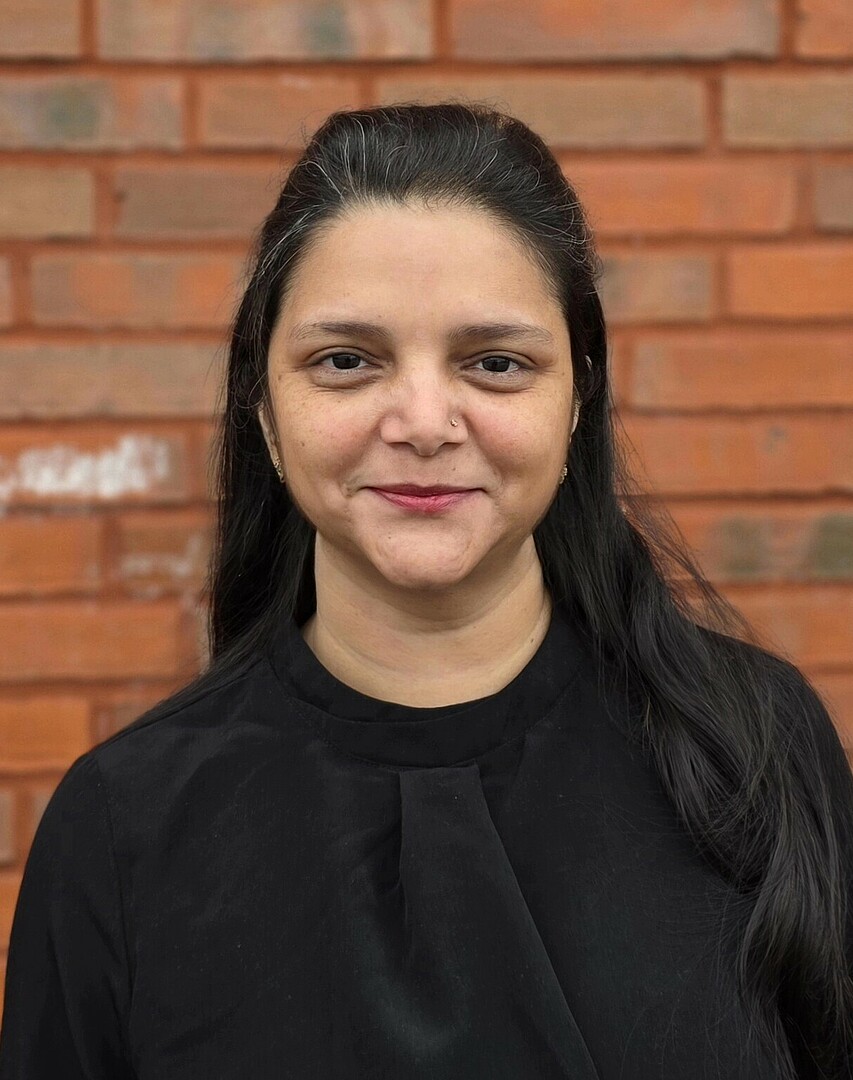
© Smita Singh
19.02.2026Smita Singh, Humboldt-Universität, Brain City Berlin

Das folgende Interview mit Smita Singh wurde auf Englisch geführt. Zum Originaltext geht es hier.
„Wie kann Künstliche Intelligenz die Art und Weise, wie Schüler*innen Chemie lernen, wirklich verändern?“ Diese Frage treibt die Forschung von Smita Singh am Institut für Chemie der Humboldt-Universität zu Berlin an. Die Brain City Berlin-Botschafterin begann, Antworten darauf zu suchen, als sie in Indien unterrichtete. Dort erlebte sie, wie selbst gute Schüler*innen vor großen Herausforderungen standen, weil es keine personalisierte Unterstützung gab. Heute entwickelt sie evidenzbasierte Rahmenkonzepte für die Integration von KI in die Chemieausbildung – mit dem Ziel, Lernende in Berlin und darüber hinaus zu unterstützen.
„Bildungssysteme weltweit versuchen mit Hochdruck, KI zu integrieren, doch die meisten Ansätze behandeln sie als Einheitslösung – ich nenne das das Problem der ‚monolithischen Politik‘ . Meine Forschung stellt diese Annahme infrage“, erklärt Smita Singh. Ihre Arbeit berücksichtigt, dass KI-Unterstützung unterschiedliche Lernbedürfnisse, institutionelle Kontexte und pädagogische Ziele einbeziehen muss. „Im Rahmen meiner Arbeit zum SURAL-AI-Framework (Self-regulated Universal Resource for Active Learning with AI) untersuche ich, wie intelligente Systeme selbstreguliertes Lernen wirklich unterstützen können, anstatt lediglich Inhalte bereitzustellen.“ Der Chemieunterricht stellt dabei eine besondere Herausforderung dar:
„Chemie verlangt von Schüler*innen, eine Welt zu verstehen, die sie nicht sehen können – Atome, Moleküle und Reaktionen, die in Dimensionen stattfinden, die weit außerhalb menschlicher Wahrnehmung liegen. Meine Forschung untersucht, wie KI-gestützte Visualisierungen und adaptives Tutoring diese unsichtbare Welt greifbar und für jeden Lernende*n zugänglich machen können.“
Ihre wichtigste Motivation entsteht in dem Moment, in dem ein Schüler oder eine Schülerin eine zuvor unerreichbar wirkende Idee endlich „sieht“ – der Aha-Moment, wenn ein Reaktionsmechanismus oder eine Molekülgeometrie nach wochenlangem Ringen plötzlich Sinn ergibt. Bevor sie nach Berlin kam, unterrichtete Smita Singh mehr als 15 Jahre lang an Einrichtungen in Indien Chemie. „In großen Klassen sah ich immer wieder dasselbe Muster: Die Schüler*innen waren fähig und motiviert, aber personalisierte Unterstützung war in großem Maßstab schlicht nicht verfügbar. Ich dachte mir oft, dass es doch einen besseren Weg geben muss. Diese Frustration hat mich in die Forschung geführt.“
Smita Singh entwickelt selbst, was sie erforscht. Ihre adaptive Lernplattform Studium kombiniert KI-Tutoring mit interaktiver 3D-Molekülvisualisierung, angeleiteten Reflexionsimpulsen und virtuellen Laborelementen. „Die Plattform ist sowohl ein Forschungs-Testfeld, in dem ich systematisch Designentscheidungen vergleichen und messen kann, was das Lernen tatsächlich verbessert, als auch ein praktisches Instrument, das Lernende schon jetzt unterstützen kann.“ Ihre Promotion in der Brain City Berlin konzentriert sich darauf, evidenzbasierte Gestaltungsprinzipien für KI in Bildungsplattformen zu etablieren und die Faktoren zu identifizieren, die Lernergebnisse tatsächlich verbessern. „Ich übertrage diese Erkenntnisse auch in konkrete Leitlinien für Lehrende und Entwickler*innen, denn verantwortungsvolle KI in der Bildung braucht eine starke Theorie ebenso wie nutzbare Designmuster. Ich möchte die Arbeit von Lehrkräften verstärken, nicht ersetzen.“ Darüber hinaus wirkt sie an europäischen Kooperationsinitiativen zur Entwicklung digitaler Kompetenzen im Rahmen des Programms „Digital Europe“ mit.
„Berlin ist ein idealer Ort für diese doppelte Perspektive: Ich kann in einem akademischen Umfeld rigorose Studien durchführen und gleichzeitig an den breiter aufgestellten europäischen Diskussionen teilnehmen: darüber, wie KI in der Bildung gestaltet, reguliert und implementiert werden sollte“, sagt sie. Sie entschied sich für Berlin, weil ihr interdisziplinärer Ansatz hier „Raum zum Atmen“ habe. Die Verbindung von Chemiedidaktik, KI-Entwicklung und Bildungspolitik gilt hier nicht als zu breit gefächert – im Gegenteil, sie stößt häufig Kooperationen an. „Der eigentliche Vorteil Berlins ist, wie leicht man über die eigene Institution hinaus Kontakte knüpfen kann.“ Für sie ist die Stadt ein interdisziplinärer Beschleuniger: „Die Nähe von Universitäten, Forschungsinstituten und Technologiepartnern bedeutet, dass Ideen sich schnell von einem Konzept über Kooperationen hin zu etwas Konkretem entwickeln können.“
„Berlin verlangt nicht, dass man in bestehende Schubladen passt. Die Stadt gibt einem die Möglichkeit, einen eigenen Raum zu schaffen.“
Smita Singh schätzt sowohl die beruflichen als auch die persönlichen Aspekte des Lebens in der Brain City Berlin. „Die Stadt vereint Universität und Forschungsinstitute von Weltrang mit einer lebendigen Tech- und Start-up-Szene einer internationalen Community, die Zusammenarbeit ganz selbstverständlich macht. Auf persönlicher Ebene ist die Lebensqualität wichtiger, als ich erwartet hatte: Ich kann durch Grünflächen radeln, leicht neue Energie tanken und bin dennoch von Menschen umgeben, die Neues aufbauen. Als Inderin hat mich auch beeindruckt, wie offen Berlin für unterschiedliche Perspektiven und Hintergründe ist. Diese Offenheit ist hier nicht bloß Fassade; man spürt sie im Alltag."
Ihr Rat an Nachwuchswissenschaftler*innen ist einfach: in Verbindungen über Disziplingrenzen hinweg investieren. „Bleiben Sie nicht in Ihrer eigenen Nische. Berlin bietet Raum und Möglichkeiten, aber man holt am meisten heraus, wenn man aktiv mit den Menschen und Institutionen um sich herum in Austausch tritt. Und geben Sie sich Zeit, anzukommen. Die Stadt kommt Ihnen entgegen.“
Mehr Botschafter
-
Category botschafter Humboldt-Universität zu Berlin
 © Rami Shacour
Category botschafter Humboldt-Universität zu BerlinBerlin verbindet eine hohe Lebensqualität mit einem starken Umfeld für Forschung und Wirtschaft – Wachstum ohne Abstriche bei der Balance.→
© Rami Shacour
Category botschafter Humboldt-Universität zu BerlinBerlin verbindet eine hohe Lebensqualität mit einem starken Umfeld für Forschung und Wirtschaft – Wachstum ohne Abstriche bei der Balance.→Rami Shacour
-
Category botschafter
 © Mustafa Demirbuga
Category botschafterBerlin ist ein Ort, an dem man gemeinsam wachsen und aufblühen kann.→
© Mustafa Demirbuga
Category botschafterBerlin ist ein Ort, an dem man gemeinsam wachsen und aufblühen kann.→Mustafa Demirbuga
-
Category botschafter Charité - Universitätsmedizin Berlin
 © Charité Universitätsmedizin Berlin
Category botschafter Charité - Universitätsmedizin BerlinDie Neurowissenschaften sind hier extrem gut aufgestellt. Und auch als Stadt ist Berlin sehr attraktiv. Man findet hier leicht gute Mitarbeiterinnen…→
© Charité Universitätsmedizin Berlin
Category botschafter Charité - Universitätsmedizin BerlinDie Neurowissenschaften sind hier extrem gut aufgestellt. Und auch als Stadt ist Berlin sehr attraktiv. Man findet hier leicht gute Mitarbeiterinnen…→Prof. Dr. Petra Ritter
-
Category botschafter Technische Universität Berlin
 © Arne Sattler
Category botschafter Technische Universität BerlinBerlin bietet viele Möglichkeiten für Austausch und Kooperation. Besonders wertvoll finde ich die enge Verbindung von TU Berlin und…→
© Arne Sattler
Category botschafter Technische Universität BerlinBerlin bietet viele Möglichkeiten für Austausch und Kooperation. Besonders wertvoll finde ich die enge Verbindung von TU Berlin und…→Prof. Dr. Sina Bartfeld
-
Category botschafter Humboldt-Universität zu Berlin
 © Christian Ulrichs
Category botschafter Humboldt-Universität zu BerlinMir ist es wichtig, unsere Forschung auch in die Stadt zu tragen. Besonders spannend finde ich es, wenn die Gesellschaft aktiv an unserer Forschung…→
© Christian Ulrichs
Category botschafter Humboldt-Universität zu BerlinMir ist es wichtig, unsere Forschung auch in die Stadt zu tragen. Besonders spannend finde ich es, wenn die Gesellschaft aktiv an unserer Forschung…→Prof. Dr. Dr. Christian Ulrichs
-
Category botschafter Center for the Science of Materials Berlin
 © WISTA Management GmbH
Category botschafter Center for the Science of Materials BerlinBerlin ist eine Weltstadt. In der Wissenschaft gibt für jedes Thema ausgewiesene Expertinnen und Experten. Berlin ist auch eine Keimzelle für…→
© WISTA Management GmbH
Category botschafter Center for the Science of Materials BerlinBerlin ist eine Weltstadt. In der Wissenschaft gibt für jedes Thema ausgewiesene Expertinnen und Experten. Berlin ist auch eine Keimzelle für…→Prof. Dr. Stefan Hecht
-
Weizenbaum Institut Category botschafter
 © rbb
Weizenbaum Institut Category botschafterBerlin ist ein Ballungsraum mit vielen Universitäten. Die Wahrscheinlichkeit, hier Leute zu finden, die ähnlich ticken und mit denen man was auf die…→
© rbb
Weizenbaum Institut Category botschafterBerlin ist ein Ballungsraum mit vielen Universitäten. Die Wahrscheinlichkeit, hier Leute zu finden, die ähnlich ticken und mit denen man was auf die…→Prof. Dr. Sascha Friesike
-
Category botschafter Technische Universität Berlin
 © Christian Kielmann
Category botschafter Technische Universität BerlinBerlin birgt unglaubliches Potenzial und lässt Experimente zu – das ist ein Nährboden für Innovationen.→
© Christian Kielmann
Category botschafter Technische Universität BerlinBerlin birgt unglaubliches Potenzial und lässt Experimente zu – das ist ein Nährboden für Innovationen.→Prof. Dr. Søren Salomo
-
Category botschafter ICN Business School
 © Jessica Seiler
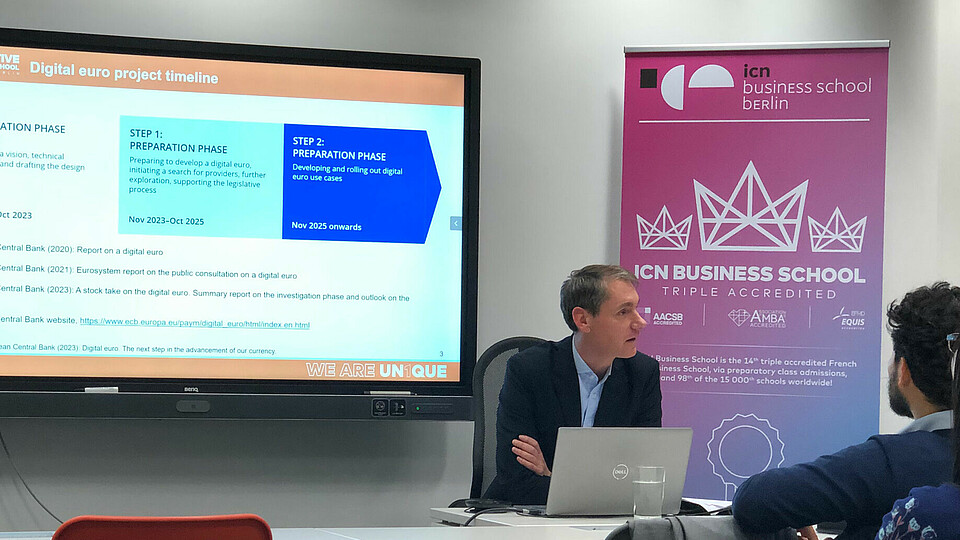
Category botschafter ICN Business SchoolBerlin überzeugt mit seiner hervorragenden Infrastruktur. Es ist leicht, sich hier innerhalb der Academic Community zu vernetzen.→
© Jessica Seiler
Category botschafter ICN Business SchoolBerlin überzeugt mit seiner hervorragenden Infrastruktur. Es ist leicht, sich hier innerhalb der Academic Community zu vernetzen.→Prof. Dr. rer. pol. Volker Seiler
-
Category botschafter Charité - Universitätsmedizin Berlin
 © Iris Janke
Category botschafter Charité - Universitätsmedizin BerlinBerlin bietet eine Vielzahl von Universitäten, Hochschulen und Institutionen, die eine Zusammenarbeit in vielen Sektoren ermöglicht.→
© Iris Janke
Category botschafter Charité - Universitätsmedizin BerlinBerlin bietet eine Vielzahl von Universitäten, Hochschulen und Institutionen, die eine Zusammenarbeit in vielen Sektoren ermöglicht.→Prof. Dr. med. Ulrich-Wilhelm Thomale
-
Category botschafter Charité - Universitätsmedizin Berlin
 Category botschafter Charité - Universitätsmedizin BerlinEs gibt kaum eine Stadt, die so viele Facetten bietet – Wissenschaft, Technologie, Kunst, Musik und Geschichte.→
Dr. rer. nat. Priyanka Banerjee
-
Category botschafter Alice Salomon Hochschule Berlin
 © Michael Schaaf
Category botschafter Alice Salomon Hochschule BerlinSehr gute Vernetzung, Nähe zu politischen Prozessen, tolle Teams, kurze Wege zur Praxis, ein innovatives Umfeld und eine große Diversität – Berlin…→
© Michael Schaaf
Category botschafter Alice Salomon Hochschule BerlinSehr gute Vernetzung, Nähe zu politischen Prozessen, tolle Teams, kurze Wege zur Praxis, ein innovatives Umfeld und eine große Diversität – Berlin…→Prof. Dr. Dr. Hürrem Tezcan-Güntekin
-
Category botschafter Freie Universität Berlin
 © David Ausserhofer
Category botschafter Freie Universität BerlinDer Wissenschaftsstandort Berlin mit der Berlin University Alliance, den Universitäten und vielen weiteren Hochschulen und Forschungseinrichtungen ist…→
© David Ausserhofer
Category botschafter Freie Universität BerlinDer Wissenschaftsstandort Berlin mit der Berlin University Alliance, den Universitäten und vielen weiteren Hochschulen und Forschungseinrichtungen ist…→Prof. Günter M. Ziegler
-
Category botschafter Weierstraß-Institut
 Category botschafter Weierstraß-InstitutIn Berlin gibt es mehrere exzellente Mathematik-Institutionen und eine Fülle an interessanten Bereichen, um Mathematik anzuwenden.→
Dr. Patricio Farrell
-
Category botschafter BG Klinikum Unfallkrankenhaus Berlin
 © Dorothea Scheurlen DGPh, ukb
Category botschafter BG Klinikum Unfallkrankenhaus BerlinBerlin gehört inzwischen zur Spitze in der notfallmedizinischen Versorgung. Pragmatische Ansätze werden hier über Modellprojekte zu Standards…→
© Dorothea Scheurlen DGPh, ukb
Category botschafter BG Klinikum Unfallkrankenhaus BerlinBerlin gehört inzwischen zur Spitze in der notfallmedizinischen Versorgung. Pragmatische Ansätze werden hier über Modellprojekte zu Standards…→Konrad von Kottwitz
-
Category botschafter Katholische Hochschule für Sozialwesen Berlin (KHSB Berlin)
 © Nicola Sernow
Category botschafter Katholische Hochschule für Sozialwesen Berlin (KHSB Berlin)Die Diversität von Berlin bietet wissenschaftlich viel Potenzial: Praktikerinnen, Praktiker und Engagierte finden hier zusammen, entwickeln und…→
© Nicola Sernow
Category botschafter Katholische Hochschule für Sozialwesen Berlin (KHSB Berlin)Die Diversität von Berlin bietet wissenschaftlich viel Potenzial: Praktikerinnen, Praktiker und Engagierte finden hier zusammen, entwickeln und…→Prof. Dr. Sarah Häseler
-
Category botschafter Evangelische Hochschule Berlin
 © Nils Bornemann
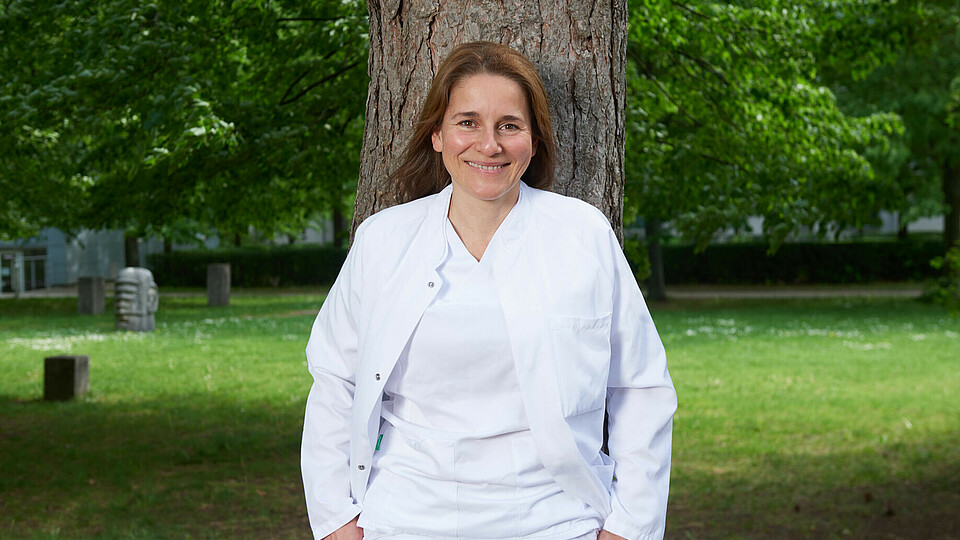
Category botschafter Evangelische Hochschule BerlinBerlins Stärke liegt in der Vernetzung der einzelnen Bildungsinstitute und darin, dass nicht jede Institution das Rad neu erfinden muss. Wir können…→
© Nils Bornemann
Category botschafter Evangelische Hochschule BerlinBerlins Stärke liegt in der Vernetzung der einzelnen Bildungsinstitute und darin, dass nicht jede Institution das Rad neu erfinden muss. Wir können…→Prof. Dr. Mandy Mangler
-
Category botschafter Humboldt-Universität zu Berlin
 © Wael Yakti
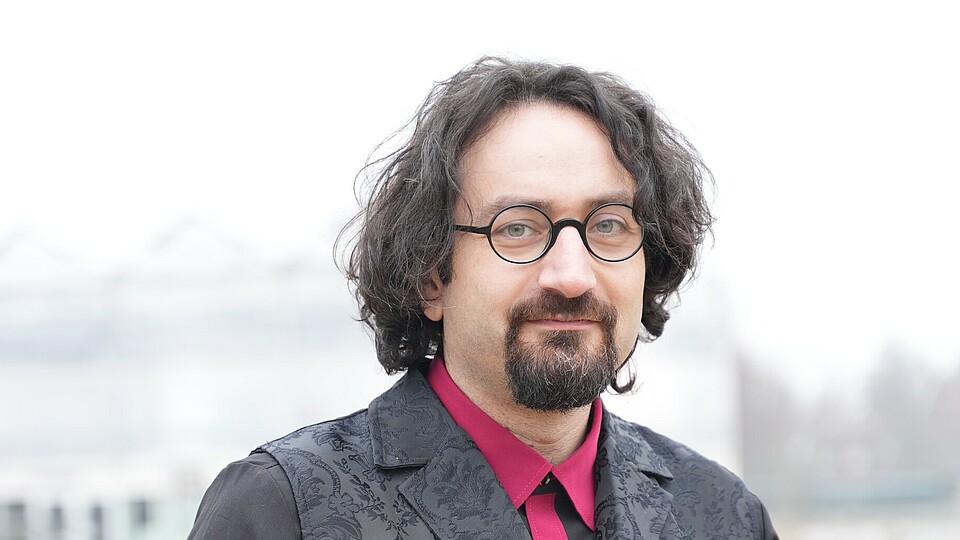
Category botschafter Humboldt-Universität zu BerlinBerlin bietet fast unbegrenzte Kooperationsmöglichkeiten, viele kulturelle Veranstaltungen und ein buntes Sozialleben.→
© Wael Yakti
Category botschafter Humboldt-Universität zu BerlinBerlin bietet fast unbegrenzte Kooperationsmöglichkeiten, viele kulturelle Veranstaltungen und ein buntes Sozialleben.→Dr. Wael Yakti
-
Category botschafter
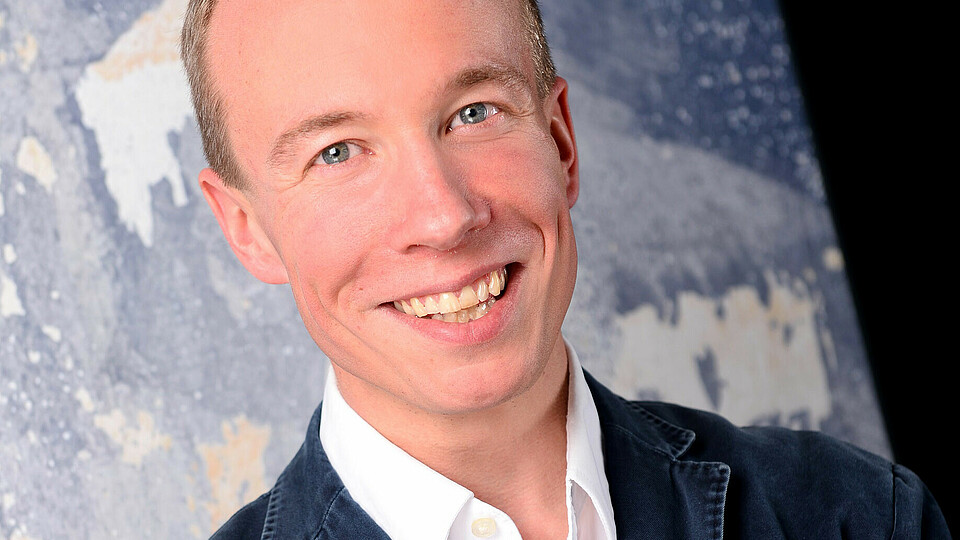 Category botschafterInternationale Konnektivität, kreativer Austausch, Fachkräfte in vielen spannenden Nischen: Berlin ist Keimzelle für Innovation, ein lebendiger Baum…→
Prof. Dr. Peter Konhäusner
-
Category botschafter Deutsches Zentrum für Luft- und Raumfahrt
 © Berlin Partner/gretchen
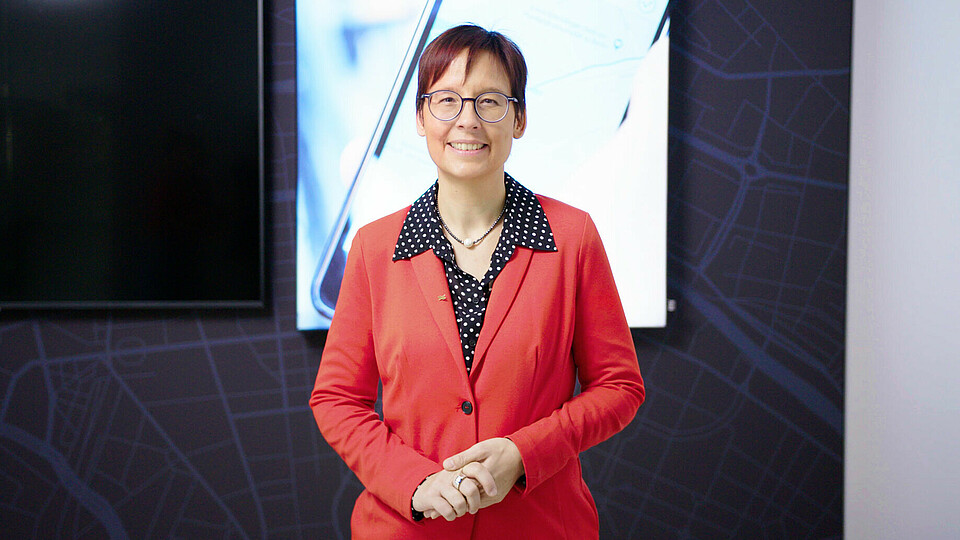
Category botschafter Deutsches Zentrum für Luft- und RaumfahrtBerlin kann eine wichtige Vorreiterrolle für die Mobilitätswende in Deutschland einnehmen und hat auf diesem Weg auch schon Vieles erreicht.→
© Berlin Partner/gretchen
Category botschafter Deutsches Zentrum für Luft- und RaumfahrtBerlin kann eine wichtige Vorreiterrolle für die Mobilitätswende in Deutschland einnehmen und hat auf diesem Weg auch schon Vieles erreicht.→Prof. Dr. Meike Jipp
-
Category botschafter Technische Universität Berlin
 © Magnus Reed
Category botschafter Technische Universität BerlinBerlin ist eine lebendige Stadt, in der sich auch Nicht-Akademikerinnen und -Akademiker, die außerhalb des Establishments stehen, äußern können.→
© Magnus Reed
Category botschafter Technische Universität BerlinBerlin ist eine lebendige Stadt, in der sich auch Nicht-Akademikerinnen und -Akademiker, die außerhalb des Establishments stehen, äußern können.→Brain City-Botschafterin Jess de Jesus de Pinho Pinhal
-
Category botschafter Mercator Research Institute on Global Commons and Climate Change
 Foto: MCC Berlin © Matti Hillig
Category botschafter Mercator Research Institute on Global Commons and Climate ChangeEs gibt keine Expertise, die es in Berlin nicht gibt. Das ist für mich ein entscheidender Standortvorteil.→
Foto: MCC Berlin © Matti Hillig
Category botschafter Mercator Research Institute on Global Commons and Climate ChangeEs gibt keine Expertise, die es in Berlin nicht gibt. Das ist für mich ein entscheidender Standortvorteil.→Brain City-Botschafter Prof. Dr. Felix Creutzig
-
Category botschafter Ferdinand-Braun-Institut
 Foto: Dr. Markus Krutzik privat
Category botschafter Ferdinand-Braun-InstitutIn Berlin gibt es Universitäten und Forschungsinstitute mit hoher internationaler Sichtbarkeit – gerade in Bereichen rund um die Optik und Photonik.→
Foto: Dr. Markus Krutzik privat
Category botschafter Ferdinand-Braun-InstitutIn Berlin gibt es Universitäten und Forschungsinstitute mit hoher internationaler Sichtbarkeit – gerade in Bereichen rund um die Optik und Photonik.→Brain City-Botschafter Dr. Markus Krutzik
-
Category botschafter Hochschule für Technik und Wirtschaft Berlin (HTW Berlin)
 privat
Category botschafter Hochschule für Technik und Wirtschaft Berlin (HTW Berlin)Forschung in Berlin ist das Forschen in Kontrasten. Es gibt wenige Städte die näher am Zeitgeist sind.→
privat
Category botschafter Hochschule für Technik und Wirtschaft Berlin (HTW Berlin)Forschung in Berlin ist das Forschen in Kontrasten. Es gibt wenige Städte die näher am Zeitgeist sind.→Prof. Dr. Kai Reinhardt
-
Category botschafter Labor Berlin - Charité Vivantes
 ©Christopher Hardt
Category botschafter Labor Berlin - Charité VivantesIn Berlin findet man eine exzellente Mischung aus kleinen und mittleren Forschungsunternehmen sowie großen Firmen, Wissenschaftsinstituten, Unis und…→
©Christopher Hardt
Category botschafter Labor Berlin - Charité VivantesIn Berlin findet man eine exzellente Mischung aus kleinen und mittleren Forschungsunternehmen sowie großen Firmen, Wissenschaftsinstituten, Unis und…→Christopher Hardt
-
Humboldt-Universität zu Berlin
 ©Paulus Ponizak
Humboldt-Universität zu BerlinBerlin braucht kritische Geister, um weiterhin die attraktive und vibrierende Stadt zu bleiben, die sie bislang ist. Die Universität ist nur ein Ort…→
©Paulus Ponizak
Humboldt-Universität zu BerlinBerlin braucht kritische Geister, um weiterhin die attraktive und vibrierende Stadt zu bleiben, die sie bislang ist. Die Universität ist nur ein Ort…→Prof. Dr. Christine Bauhardt
-
Humboldt-Universität zu Berlin
 © Jens Nachtwei
Humboldt-Universität zu BerlinAn einem Ort so viele Möglichkeiten der Kooperation zu haben, ist wirklich sehr wertvoll. In Berlin finden ständig Tagungen und Kongresse statt – die…→
© Jens Nachtwei
Humboldt-Universität zu BerlinAn einem Ort so viele Möglichkeiten der Kooperation zu haben, ist wirklich sehr wertvoll. In Berlin finden ständig Tagungen und Kongresse statt – die…→Prof. Dr. Jens Nachtwei
-
Humboldt-Universität zu Berlin
 Humboldt-Universität zu BerlinDer Brückenschlag nach Lateinamerika wird die erfolgreiche Zusammenarbeit zwischen Wissenschaft und aufstrebender Wirtschaft maximieren.→
Dr. Hannia Bridg
-
Humboldt-Universität zu Berlin
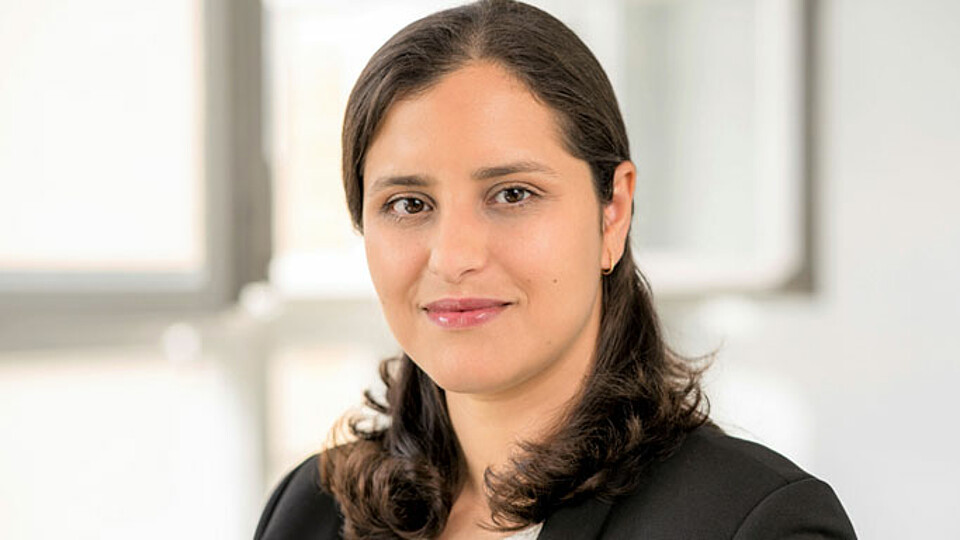 Humboldt-Universität zu BerlinIn Berlin erhält man einen Überblick über alle Karrieremöglichkeiten – von der Forschung in der Wissenschaft über die Arbeit in Forschungs- und…→
Dr. Sana Amairi Pyka
-
Category botschafter Technische Universität Berlin
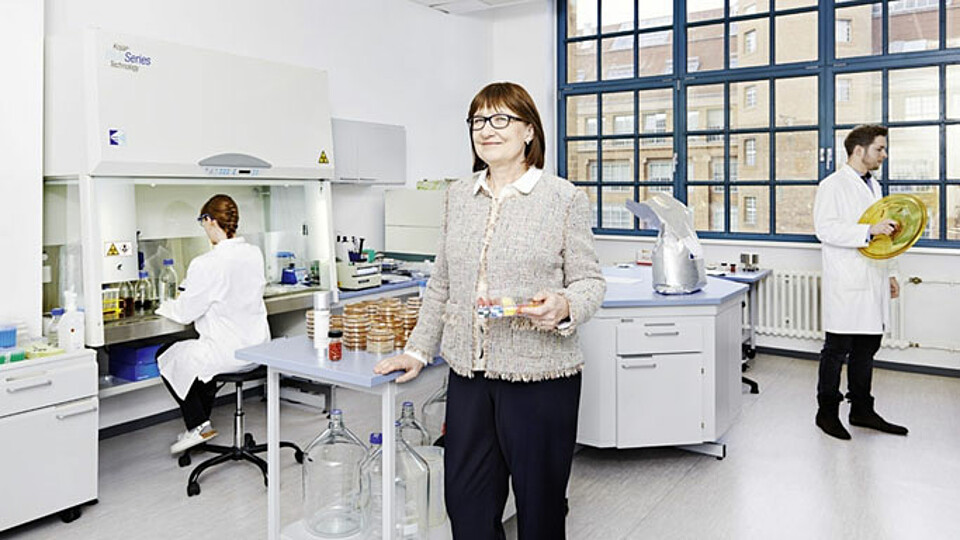 Category botschafter Technische Universität BerlinDas macht Berlin für mich als Unternehmerin so einzigartig: Für jede Fragestellung finde ich hier wissenschaftliche Expertise.→
Prof. Dr. Christine Lang
-
Humboldt-Universität zu Berlin
 Humboldt-Universität zu BerlinMich motiviert die exzellente Forschungsumgebung in Berlin. Es inspiriert, mit verschiedenen Institutionen gemeinsame Sache zu machen.→
Prof. Dr. Jule Specht
-
Humboldt-Universität zu Berlin
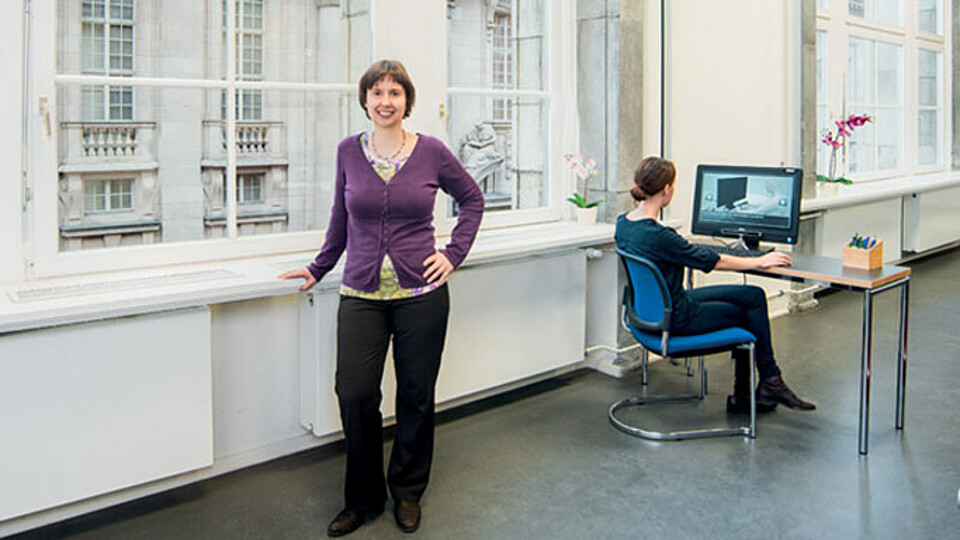 Humboldt-Universität zu BerlinDie Qualität der Forschung in Berlin ist herausragend. Und es gibt nicht nur Platz für große Fachbereiche.→
Prof. Dr. Elke Greifeneder