


-
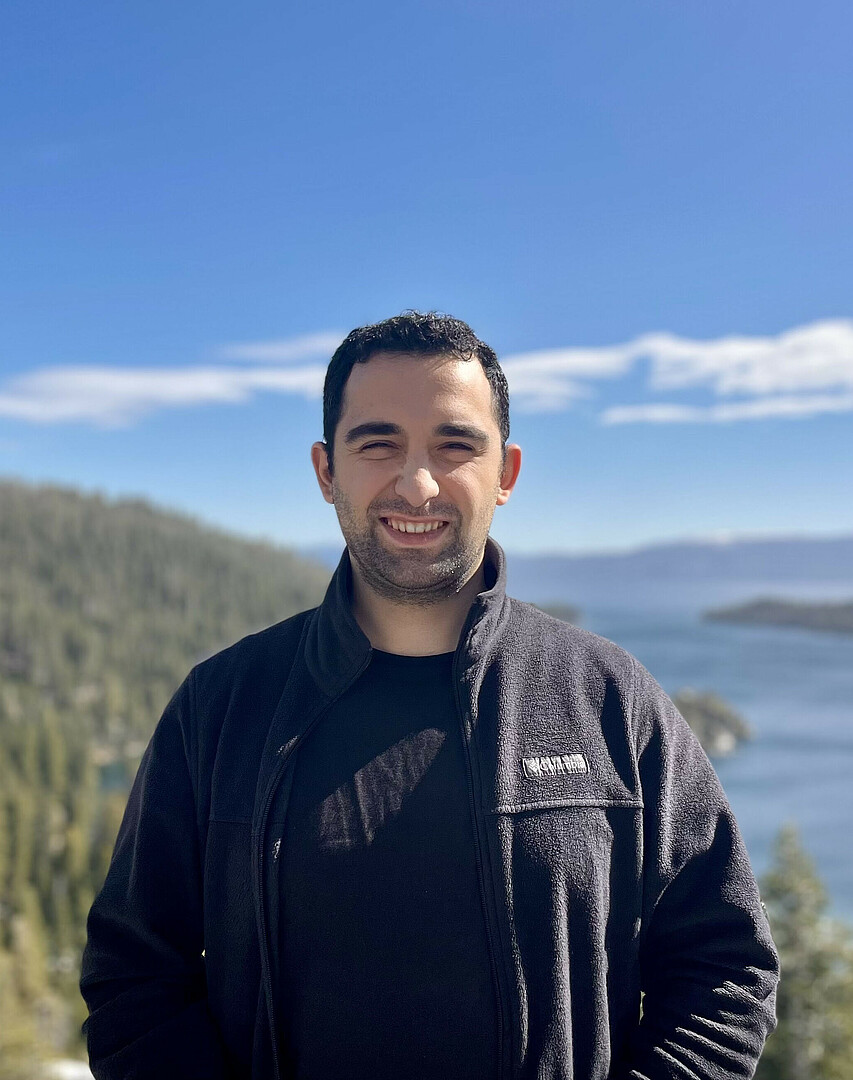
© Mustafa Demirbuga
15.04.2026Mustafa Demirbuga, University of Illinois at Chicago

Mustafa Demirbuga is a chemistry education researcher, trained in Berlin. Today, as a doctoral candidate at the University of Illinois in Chicago, he explores how best to communicate scientific advances to students, whilst remaining closely connected to Brain City Berlin. His research is an enrichment for chemistry curricula everywhere.
"My research aims to enrich the chemistry curriculum by integrating innovative scientific insights into the laboratory and developing them further in ways that enhance student learning and motivation," says Mustafa Demirbuga. He seeks to bring advances in science and technology into university learning environments, with fluorescence in laboratory practice serving as his representative example.
Chemistry, as a submicroscopic science, is often not perceivable to the naked eye, which can make understanding difficult for learners. "My research supports students in connecting observable phenomena to submicroscopic explanations," explains Mustafa Demirbuga. This is particularly helpful for concrete didactic design strategies – to promote active engagement with experiments, strengthen participation in scientific practices, and deepen both evidence-based learning and molecular-level thinking.
Chemistry education research sits at the intersection of natural science and education, giving rise to many overarching research questions. "What does it actually mean to learn chemistry?" asks Mustafa Demirbuga in his research. The answer: it is not merely the acquisition of factual knowledge and algorithmic problem-solving skills, but rather a deeper conceptual understanding of chemical principles, representations, and ways of thinking.
"What I particularly value about my field is that I can make a meaningful contribution and directly shape teaching practice at universities."
After completing his teacher education at Humboldt University of Berlin with a focus on chemistry and history, Mustafa Demirbuga delved deeper into pedagogical approaches at the Professional School of Education. He remains in close contact with Humboldt University: "We support each other's research through academic exchange and feedback on our current work."
In choosing Brain City Berlin, he was motivated not only by the reputation of the university, but also by the environment of a major city: "I was convinced that large cities offer great opportunities – academically, professionally, and personally. Berlin, with its diverse higher education landscape and dynamic environment, confirmed this belief time and again."
His time in Brain City Berlin shaped the chemistry doctoral candidate both personally and academically: "The diversity of people at work and in study enriches exchange and contributes to research. Different perspectives open up new viewpoints and foster innovative approaches."
"The international connections and collaborations of Berlin's universities – through which I had the opportunity, amongst other things, to spend a semester abroad at the University of Zurich – were particularly enriching for me. Berlin as a 'Brain City' values diversity and enables you to flourish and live your dream."
He describes the city through the lens of his chemistry background: "Berlin as a science location is a catalyst in a complex reaction system, lowering the activation energy for new ideas and thus continuously enabling scientific breakthroughs." Berlin, he says, is a city full of possibilities, but also of dynamism and contrasts. His most important tip for new researchers in Brain City Berlin: "Be curious and open to new experiences. The city doesn't introduce itself – it simply throws you in, like Alice in Wonderland. But therein lies its particular strength: those who are willing to embrace this diversity can grow enormously here, both professionally and personally." He also recommends building networks early, seeking out interdisciplinary exchange, and actively making use of the city's many scientific and cultural offerings.
"Berlin thrives on encounters, collaborations, and new perspectives. Those who show initiative and approach others openly can very quickly make valuable contacts and find inspiring paths for their own scientific development."
Mustafa Demirbuga now collaborates with international researchers on projects that reach far beyond US institutions. What remains is the joy of meeting other German-speaking researchers abroad – for instance at the American Chemical Society Meeting. For the future of Berlin as a science hub, he hopes for stronger collaboration with US institutions: "A more intensive transatlantic exchange in research and teaching could provide fresh impetus, foster joint projects, and accelerate the international transfer of knowledge." It very much appears that Mustafa Demirbuga is already contributing to this goal with great commitment.
More ambassadors
-
Category botschafter Humboldt-Universität zu Berlin
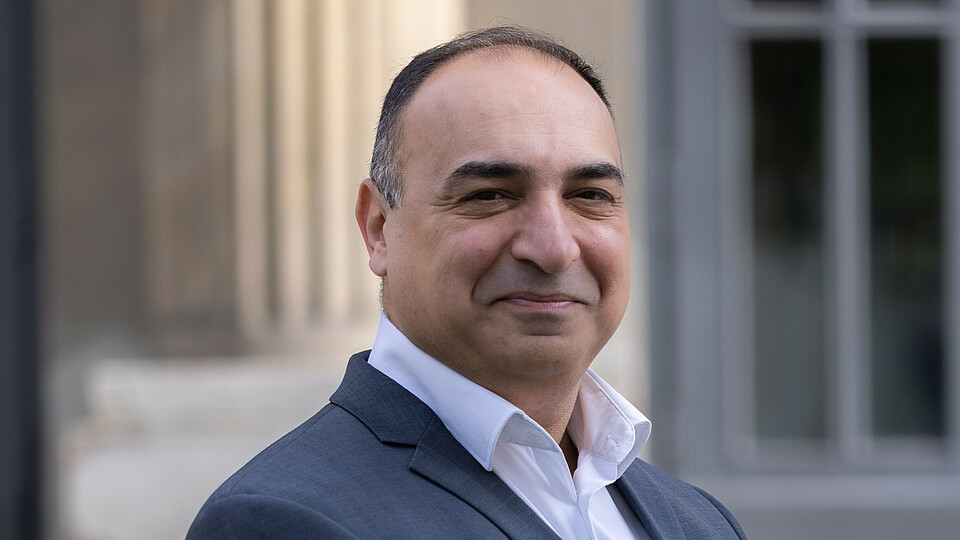 © Rami Shacour
Category botschafter Humboldt-Universität zu BerlinBerlin combines a high quality of life with a strong environment for research and business, enabling growth without compromising balance.→
© Rami Shacour
Category botschafter Humboldt-Universität zu BerlinBerlin combines a high quality of life with a strong environment for research and business, enabling growth without compromising balance.→Rami Shacour
-
Category botschafter Charité - Universitätsmedizin Berlin
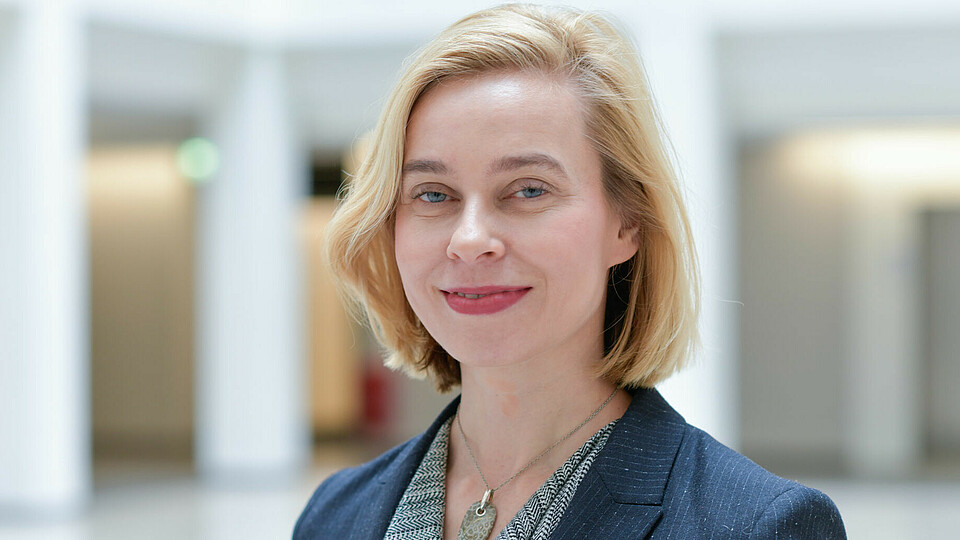 © Charité Universitätsmedizin Berlin
Category botschafter Charité - Universitätsmedizin BerlinThe neurosciences are extremely well established here. And Berlin is also a highly attractive city. It is easy to find excellent colleagues. That is…→
© Charité Universitätsmedizin Berlin
Category botschafter Charité - Universitätsmedizin BerlinThe neurosciences are extremely well established here. And Berlin is also a highly attractive city. It is easy to find excellent colleagues. That is…→Prof. Dr. Petra Ritter
-
Category botschafter Humboldt-Universität zu Berlin
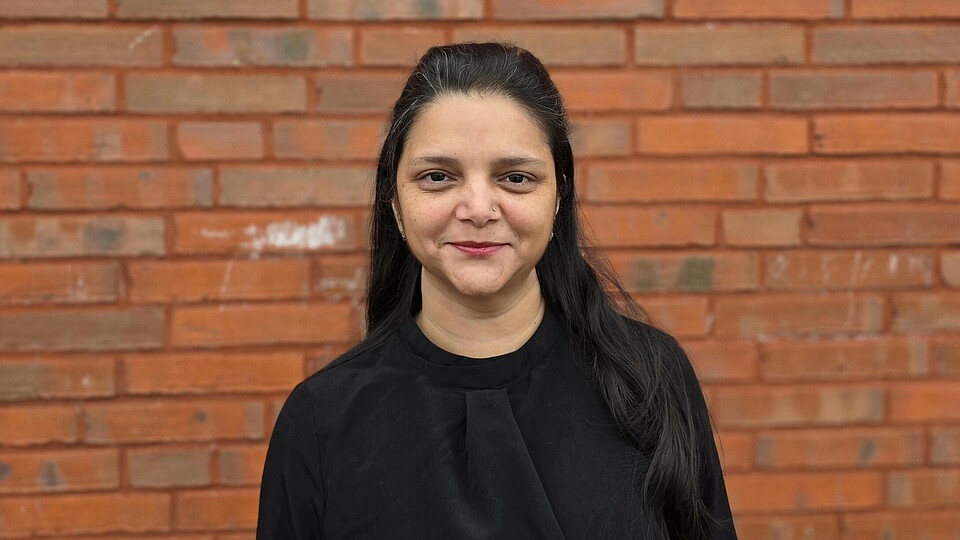 © Smita Singh
Category botschafter Humboldt-Universität zu BerlinBerlin does not ask you to fit in existing boxes. It gives you space to create your own.→
© Smita Singh
Category botschafter Humboldt-Universität zu BerlinBerlin does not ask you to fit in existing boxes. It gives you space to create your own.→Smita Singh
-
Category botschafter Technische Universität Berlin
 © Arne Sattler
Category botschafter Technische Universität BerlinBerlin offers many opportunities for exchange and collaboration. I find the close connection between TU Berlin and Charité – Universitätsmedizin…→
© Arne Sattler
Category botschafter Technische Universität BerlinBerlin offers many opportunities for exchange and collaboration. I find the close connection between TU Berlin and Charité – Universitätsmedizin…→Prof. Dr. Sina Bartfeld
-
Category botschafter Humboldt-Universität zu Berlin
 © Christian Ulrichs
Category botschafter Humboldt-Universität zu BerlinIt is important to me to take our research to the city. I find it particularly exciting when society actively participates in our research.→
© Christian Ulrichs
Category botschafter Humboldt-Universität zu BerlinIt is important to me to take our research to the city. I find it particularly exciting when society actively participates in our research.→Prof. Dr. Dr. Christian Ulrichs
-
Category botschafter Center for the Science of Materials Berlin
 © WISTA Management GmbH
Category botschafter Center for the Science of Materials BerlinBerlin is a global city. In science, there are designated experts for every topic. Berlin also has always been a seedbed for change: a special…→
© WISTA Management GmbH
Category botschafter Center for the Science of Materials BerlinBerlin is a global city. In science, there are designated experts for every topic. Berlin also has always been a seedbed for change: a special…→Prof. Dr. Stefan Hecht
-
Weizenbaum Institut Category botschafter
 © rbb
Weizenbaum Institut Category botschafterBerlin is a metropolitan area with many universities. There’s a good chance of finding people here who are like-minded and with whom you can get…→
© rbb
Weizenbaum Institut Category botschafterBerlin is a metropolitan area with many universities. There’s a good chance of finding people here who are like-minded and with whom you can get…→Prof. Dr. Sascha Friesike
-
Category botschafter Technische Universität Berlin
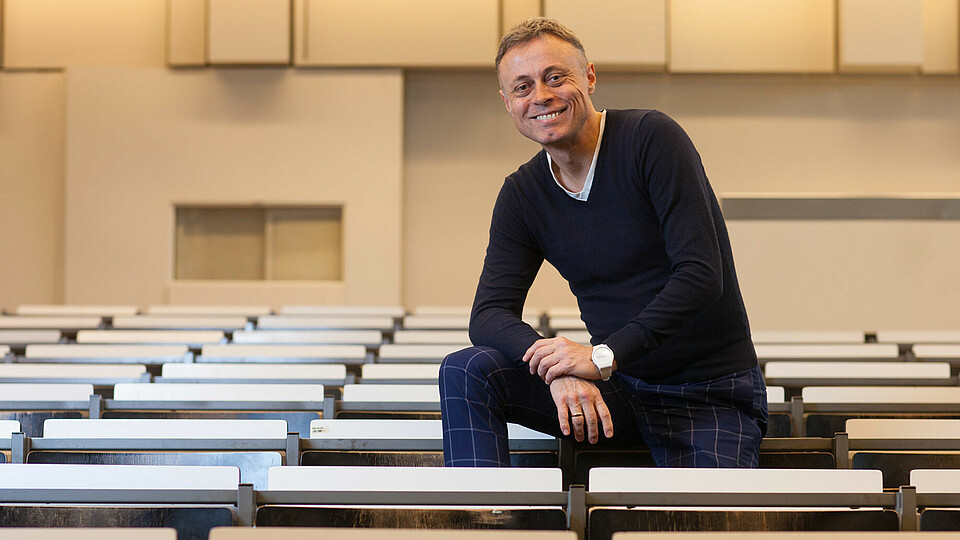 © Christian Kielmann
Category botschafter Technische Universität BerlinBerlin harbours incredible potential and allows for experimentation – it’s a breeding ground for innovation.→
© Christian Kielmann
Category botschafter Technische Universität BerlinBerlin harbours incredible potential and allows for experimentation – it’s a breeding ground for innovation.→Prof. Dr. Søren Salomo
-
Category botschafter ICN Business School
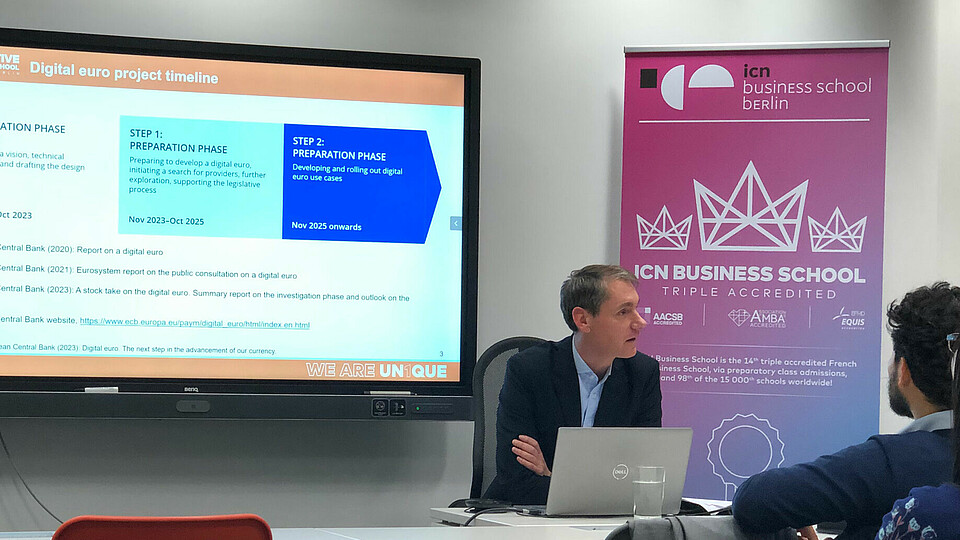 © Jessica Seiler
Category botschafter ICN Business SchoolBerlin impresses with its excellent infrastructure. It’s easy to network within the academic community here.→
© Jessica Seiler
Category botschafter ICN Business SchoolBerlin impresses with its excellent infrastructure. It’s easy to network within the academic community here.→Prof. Dr. rer. pol. Volker Seiler
-
Category botschafter Charité - Universitätsmedizin Berlin
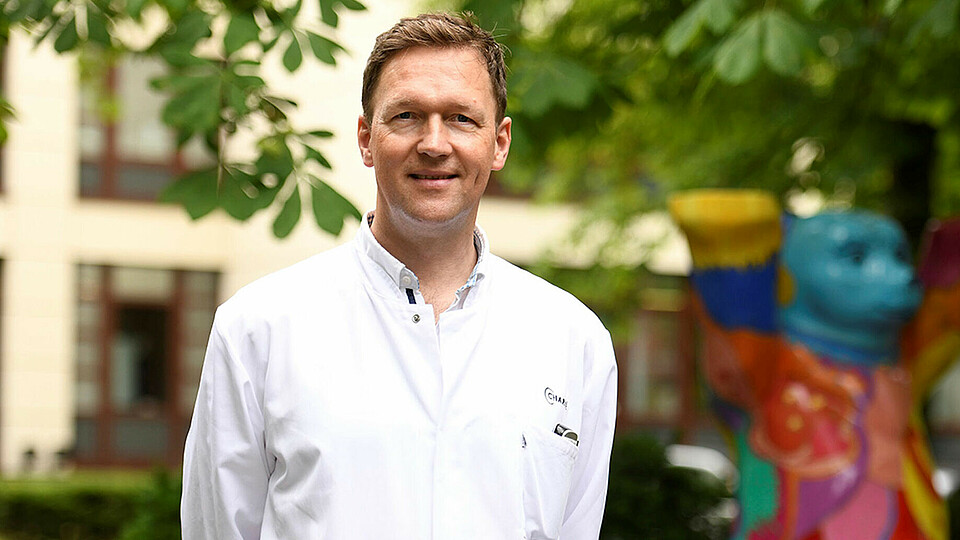 © Iris Janke
Category botschafter Charité - Universitätsmedizin BerlinBerlin offers a large number of universities, colleges and institutions that enable cooperation in many sectors.→
© Iris Janke
Category botschafter Charité - Universitätsmedizin BerlinBerlin offers a large number of universities, colleges and institutions that enable cooperation in many sectors.→Prof. Dr. med. Ulrich-Wilhelm Thomale
-
Category botschafter Charité - Universitätsmedizin Berlin
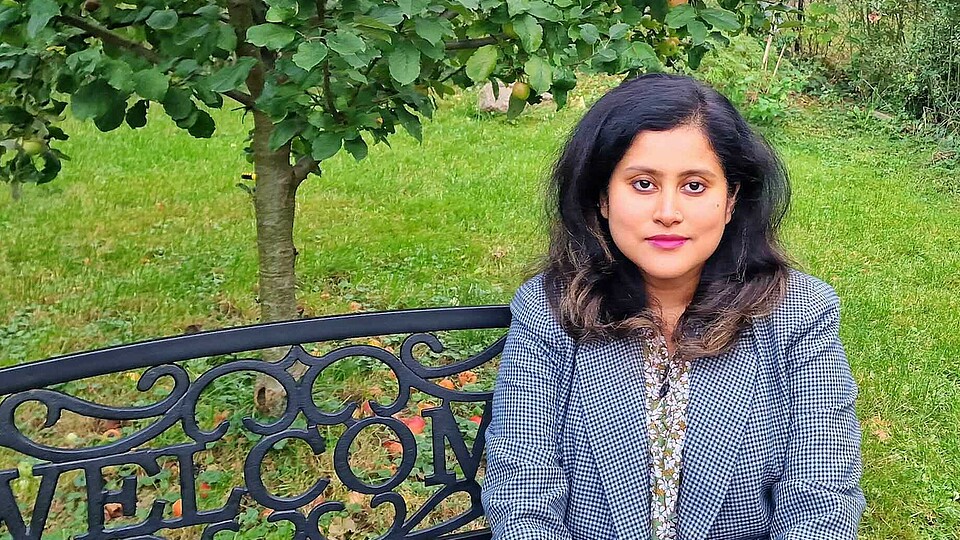 Category botschafter Charité - Universitätsmedizin BerlinThere is hardly another city that offers so many facets – science, technology, art, music and history.→
Dr. rer. nat. Priyanka Banerjee
-
Category botschafter Alice Salomon Hochschule Berlin
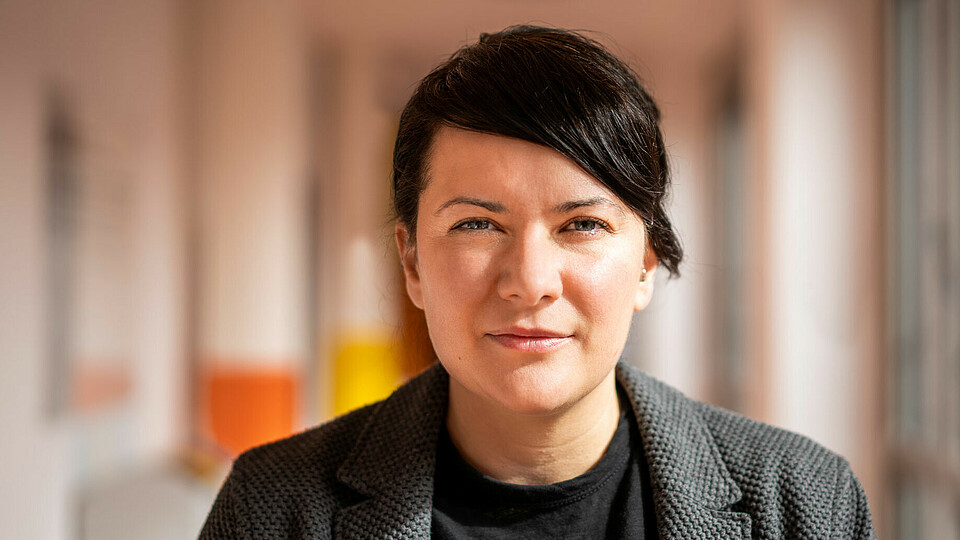 © Michael Schaaf
Category botschafter Alice Salomon Hochschule BerlinVery good networking, proximity to political processes, great teams, short distances to the office, an innovative environment and great diversity –…→
© Michael Schaaf
Category botschafter Alice Salomon Hochschule BerlinVery good networking, proximity to political processes, great teams, short distances to the office, an innovative environment and great diversity –…→Prof. Dr. Dr. Hürrem Tezcan-Güntekin
-
Category botschafter Freie Universität Berlin
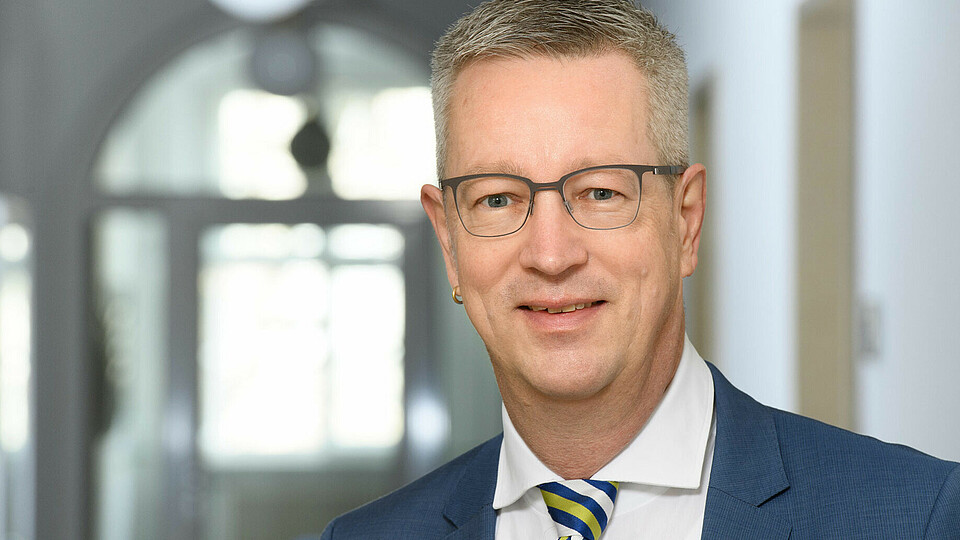 © David Ausserhofer
Category botschafter Freie Universität BerlinWith the Berlin University Alliance, the universities and many other higher education and research institutions, Berlin as a centre of science is a…→
© David Ausserhofer
Category botschafter Freie Universität BerlinWith the Berlin University Alliance, the universities and many other higher education and research institutions, Berlin as a centre of science is a…→Prof. Günter M. Ziegler
-
Category botschafter Weierstrass Institute
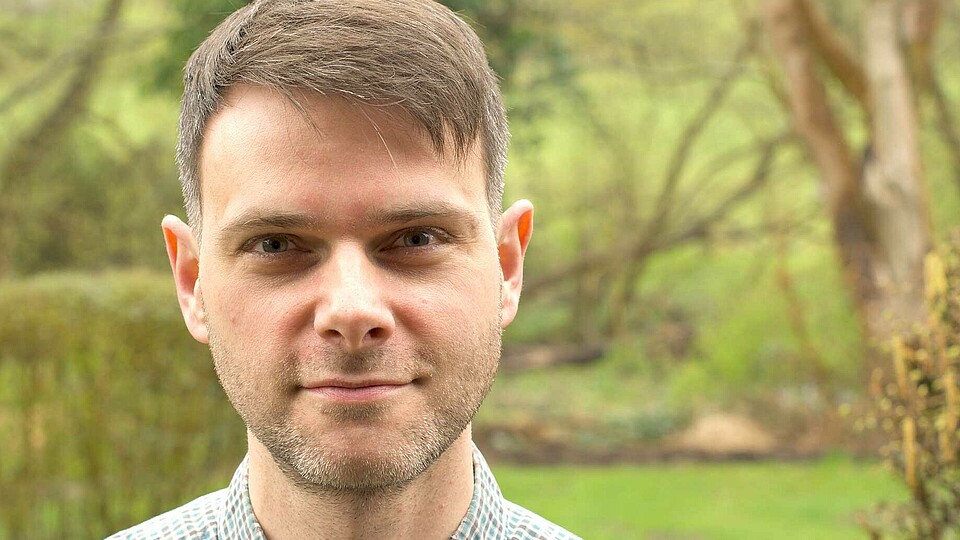 Category botschafter Weierstrass InstituteIn Berlin there are several excellent mathematics institutions and a wealth of interesting areas to apply mathematics.→
Dr. Patricio Farrell
-
Category botschafter BG Klinikum Unfallkrankenhaus Berlin
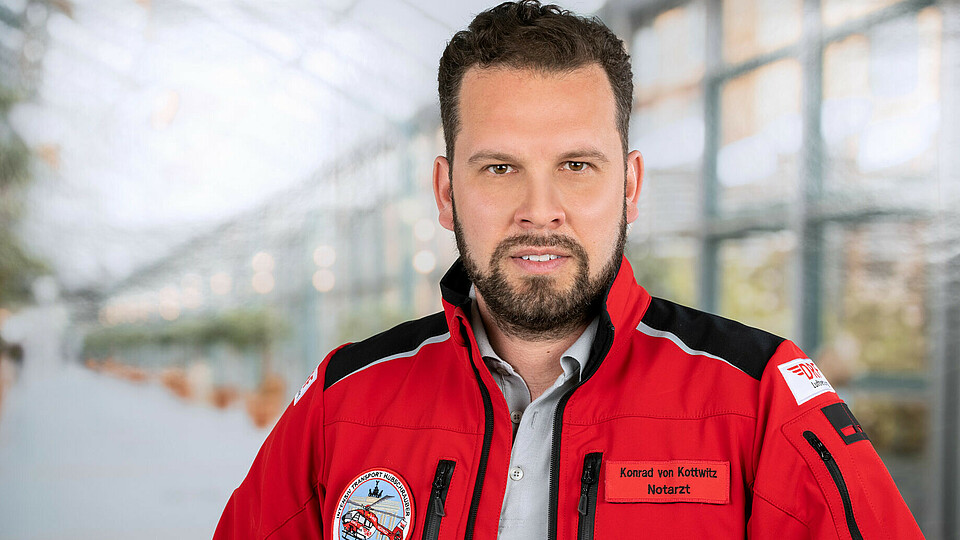 © Dorothea Scheurlen DGPh, ukb
Category botschafter BG Klinikum Unfallkrankenhaus BerlinBerlin is now at the forefront of emergency medical care. Pragmatic approaches are being developed into standards through model projects and are…→
© Dorothea Scheurlen DGPh, ukb
Category botschafter BG Klinikum Unfallkrankenhaus BerlinBerlin is now at the forefront of emergency medical care. Pragmatic approaches are being developed into standards through model projects and are…→Konrad von Kottwitz
-
Category botschafter Katholische Hochschule für Sozialwesen Berlin (KHSB Berlin)
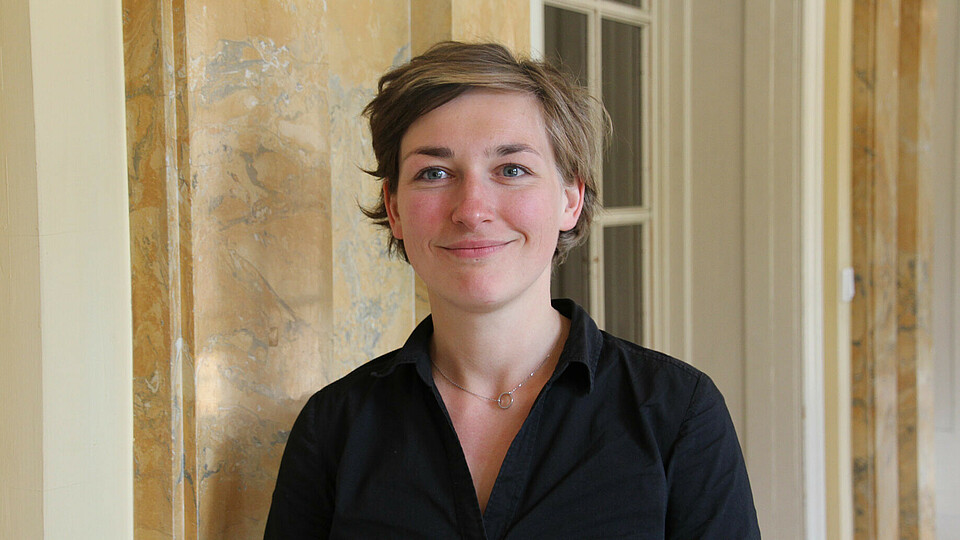 © Nicola Sernow
Category botschafter Katholische Hochschule für Sozialwesen Berlin (KHSB Berlin)The diversity of Berlin offers a lot of scientific potential: Practical and committed people come together here and develop and try out new things.→
© Nicola Sernow
Category botschafter Katholische Hochschule für Sozialwesen Berlin (KHSB Berlin)The diversity of Berlin offers a lot of scientific potential: Practical and committed people come together here and develop and try out new things.→Prof. Dr. Sarah Häseler
-
Category botschafter Evangelische Hochschule Berlin
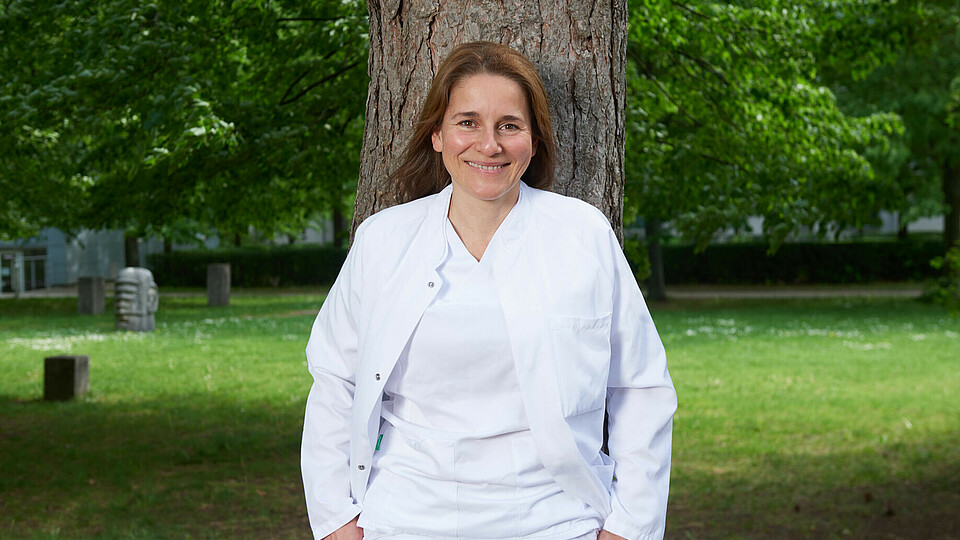 © Nils Bornemann
Category botschafter Evangelische Hochschule BerlinBerlin’s strength lies in the networking of the individual educational institutes and in the fact that not every institution has to reinvent the…→
© Nils Bornemann
Category botschafter Evangelische Hochschule BerlinBerlin’s strength lies in the networking of the individual educational institutes and in the fact that not every institution has to reinvent the…→Prof. Dr. Mandy Mangler
-
Category botschafter Humboldt-Universität zu Berlin
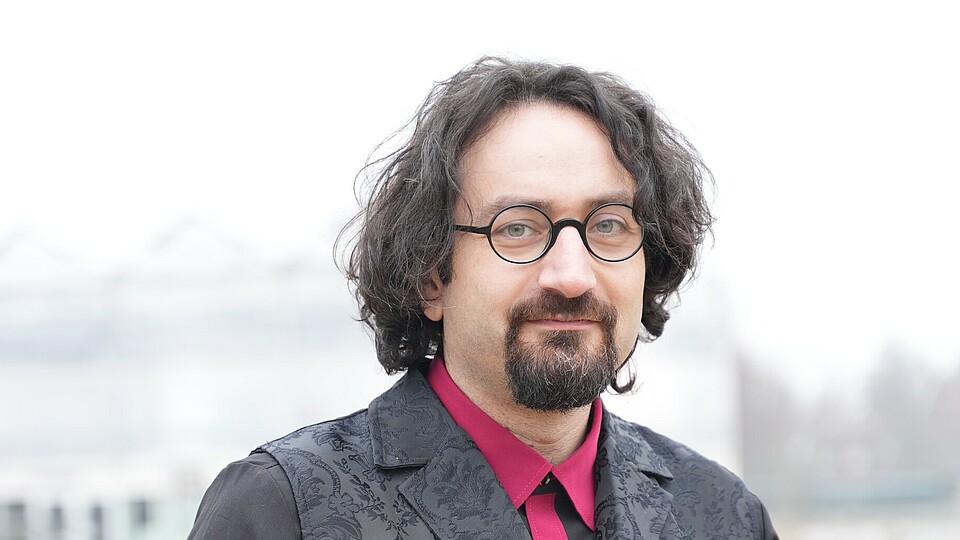 © Wael Yakti
Category botschafter Humboldt-Universität zu BerlinBerlin offers almost unlimited opportunities for cooperation, many cultural events and a colourful social life.→
© Wael Yakti
Category botschafter Humboldt-Universität zu BerlinBerlin offers almost unlimited opportunities for cooperation, many cultural events and a colourful social life.→Dr. Wael Yakti
-
Category botschafter
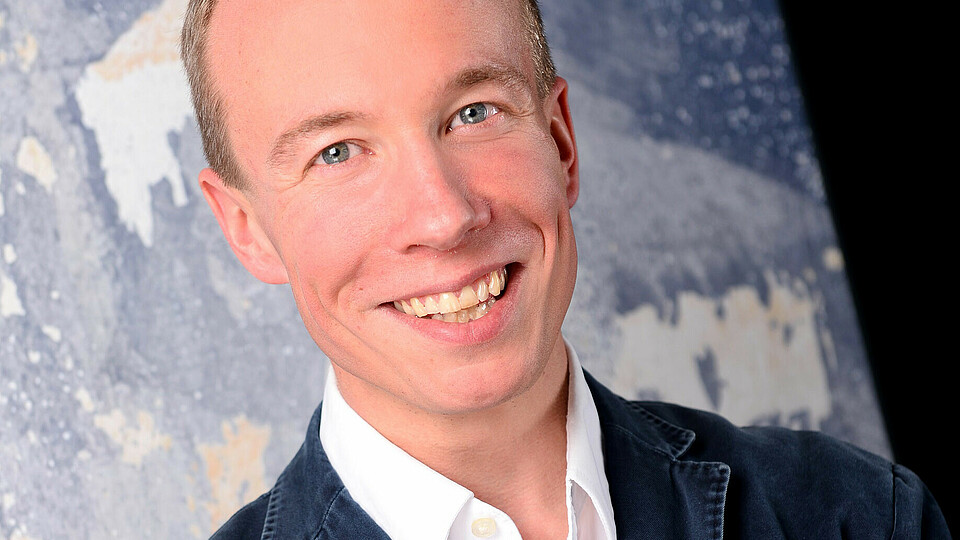 Category botschafterInternational connectivity, creative exchange, specialists in many exciting niches: Berlin is a nucleus for innovation, a living tree of knowledge and…→
Prof. Dr. Peter Konhäusner
-
Category botschafter Deutsches Zentrum für Luft- und Raumfahrt
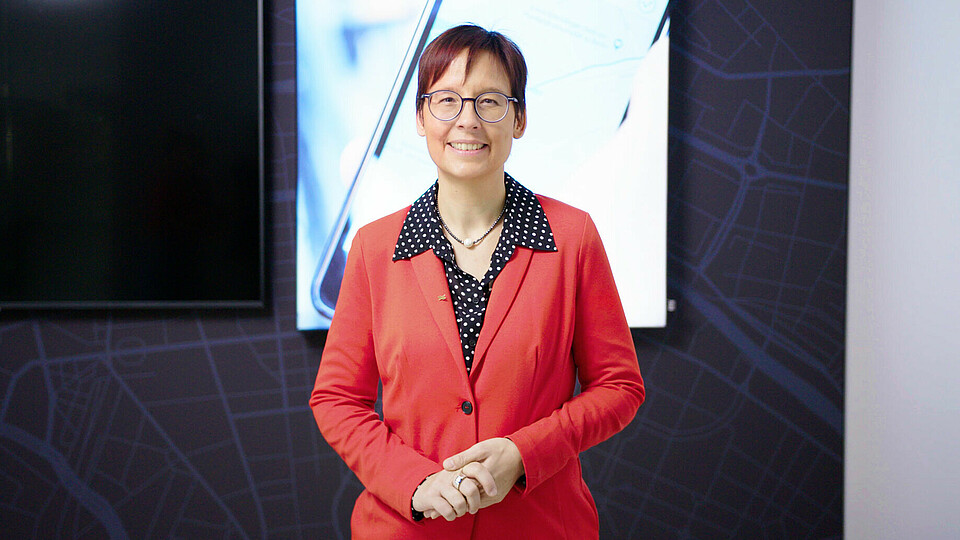 © Berlin Partner/gretchen
Category botschafter Deutsches Zentrum für Luft- und RaumfahrtBerlin can play an important pioneering role for the mobility transition in Germany and has already achieved a great deal along the way.→
© Berlin Partner/gretchen
Category botschafter Deutsches Zentrum für Luft- und RaumfahrtBerlin can play an important pioneering role for the mobility transition in Germany and has already achieved a great deal along the way.→Prof. Dr. Meike Jipp
-
Category botschafter Technische Universität Berlin
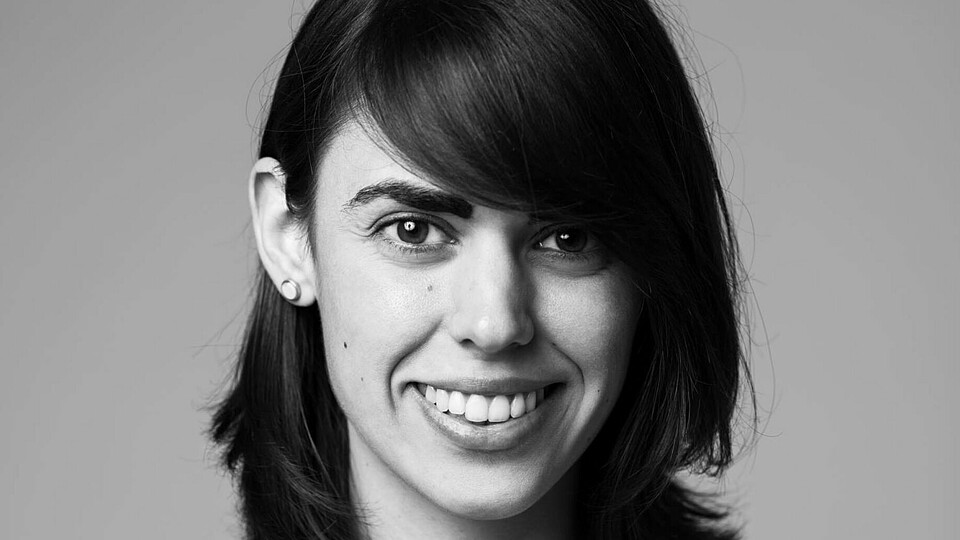 © Magnus Reed
Category botschafter Technische Universität BerlinBerlin is a lively city where non-academics who are outside the establishment can express themselves→
© Magnus Reed
Category botschafter Technische Universität BerlinBerlin is a lively city where non-academics who are outside the establishment can express themselves→Brain City Ambassador Jess de Jesus de Pinho Pinhal
-
Category botschafter Mercator Research Institute on Global Commons and Climate Change
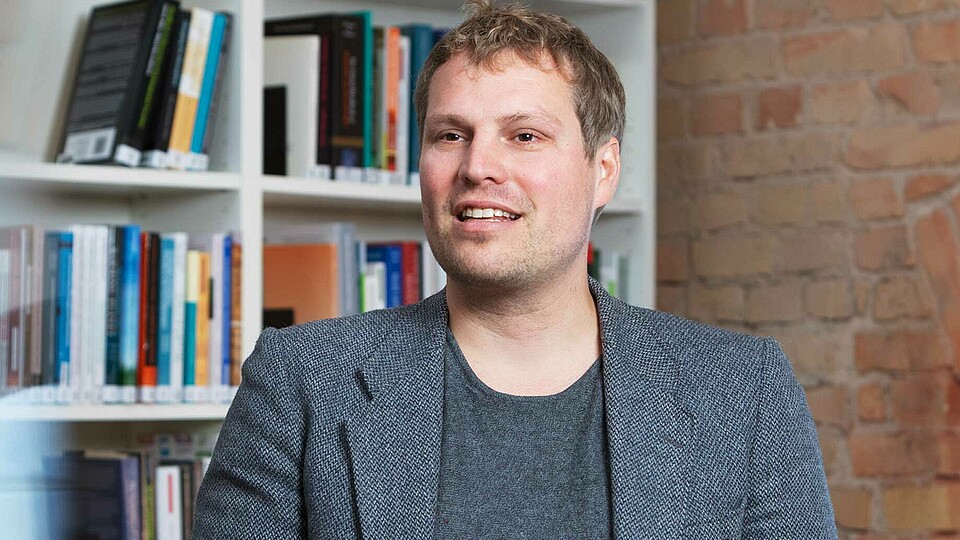 Photo: MCC Berlin © Matti Hillig
Category botschafter Mercator Research Institute on Global Commons and Climate ChangeThere is no expertise that is not available in Berlin. For me, this is a decisive advantage of the location.→
Photo: MCC Berlin © Matti Hillig
Category botschafter Mercator Research Institute on Global Commons and Climate ChangeThere is no expertise that is not available in Berlin. For me, this is a decisive advantage of the location.→Brain City Ambassador Prof. Dr. Felix Creutzig
-
Category botschafter Ferdinand-Braun-Institut
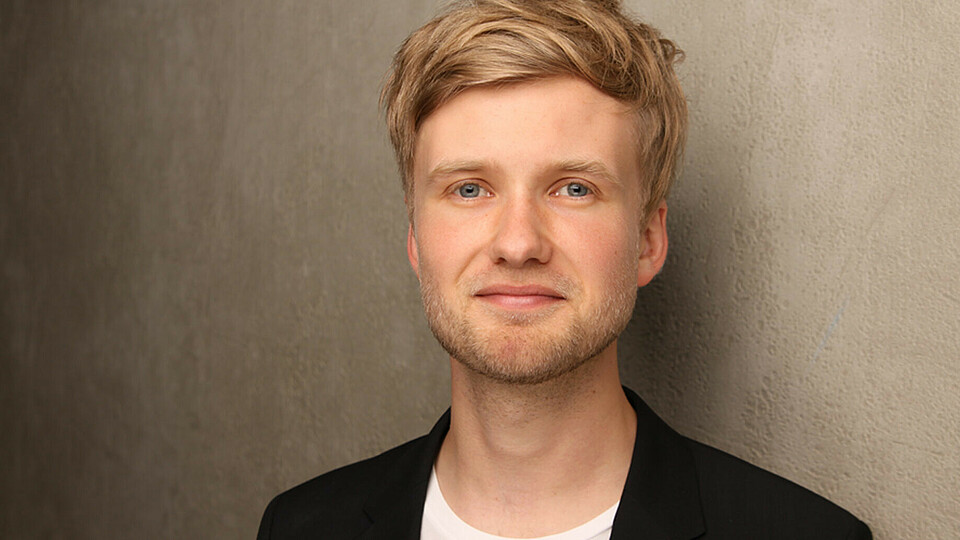 Photo: Dr Markus Krutzik
Category botschafter Ferdinand-Braun-InstitutIn Berlin there are universities and research institutes with high international visibility – especially in areas related to optics and photonics.→
Photo: Dr Markus Krutzik
Category botschafter Ferdinand-Braun-InstitutIn Berlin there are universities and research institutes with high international visibility – especially in areas related to optics and photonics.→Brain City Ambassador Dr. Markus Krutzik
-
Category botschafter Hochschule für Technik und Wirtschaft Berlin (HTW Berlin)
 private
Category botschafter Hochschule für Technik und Wirtschaft Berlin (HTW Berlin)Research in Berlin is research into contrasts. There are few cities that are closer to the zeitgeist.→
private
Category botschafter Hochschule für Technik und Wirtschaft Berlin (HTW Berlin)Research in Berlin is research into contrasts. There are few cities that are closer to the zeitgeist.→Prof Dr Kai Reinhardt
-
Category botschafter Labor Berlin - Charité Vivantes
 ©Christopher Hardt
Category botschafter Labor Berlin - Charité VivantesIn Berlin, you can find an excellent mix of small and medium-sized research companies, as well as large firms, scientific institutes, universities and…→
©Christopher Hardt
Category botschafter Labor Berlin - Charité VivantesIn Berlin, you can find an excellent mix of small and medium-sized research companies, as well as large firms, scientific institutes, universities and…→Christopher Hardt
-
Category botschafter Technische Universität Berlin
![[Translate to English:]](/fileadmin/_processed_/b/c/csm_Lang_Berlin-Partner_Philipp-Jester_683x384_31db623bc3.jpg "[Translate to English:]") [Translate to English:]
Category botschafter Technische Universität BerlinThis is what makes Berlin so unique for me as an entrepreneur: I can call upon scientific expertise for any issue that may arise.→
[Translate to English:]
Category botschafter Technische Universität BerlinThis is what makes Berlin so unique for me as an entrepreneur: I can call upon scientific expertise for any issue that may arise.→Prof. Dr. Christine Lang