


-
© Charité Universitätsmedizin Berlin
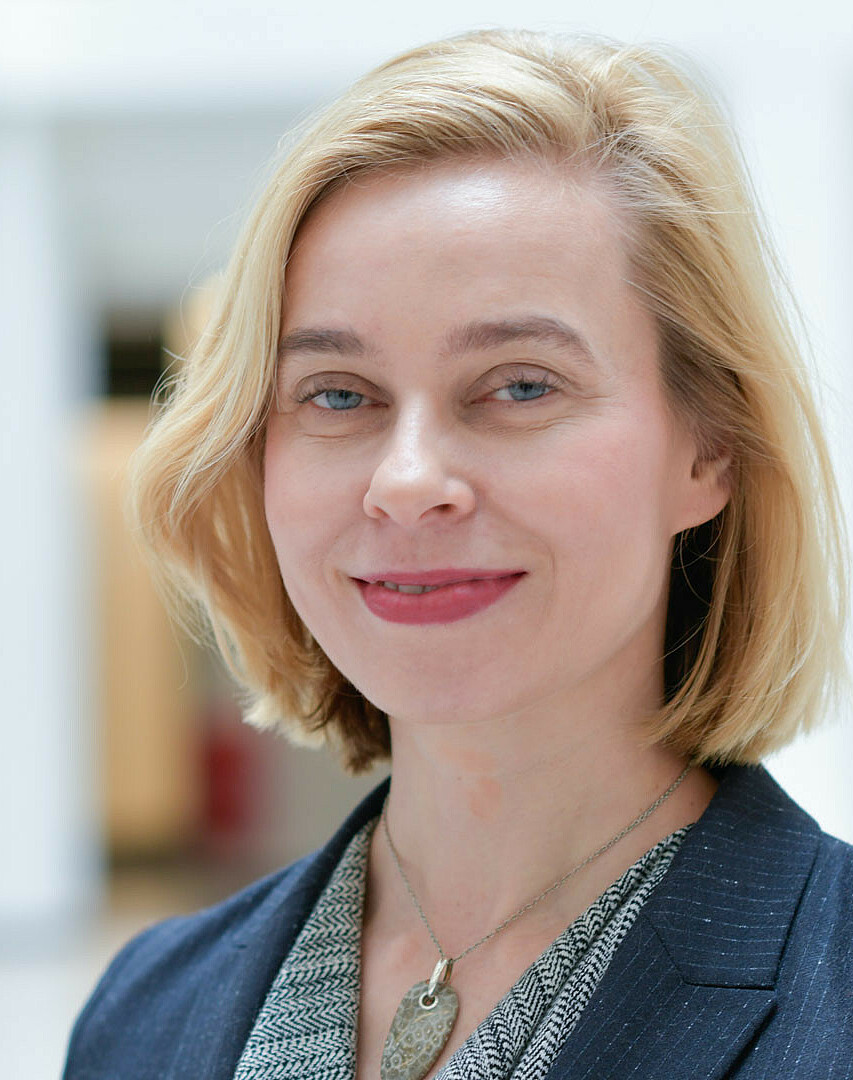
25.02.2026Prof. Dr. Petra Ritter, Charité – Universitätsmedizin Berlin

Brain City Ambassador Prof. Dr Petra Ritter is one of the leading researchers in the field of computational neuroscience. As Johanna Quandt Professor for Life, she heads the Brain Simulation research group at the Berlin Institute of Health (BIH) at Charité – Universitätsmedizin Berlin. Since 2017, she has also been Director of the Brain Simulation Section (CCM) at the Department of Neurology with Experimental Neurology at Charité.
“I am not a typical medical doctor, nor a typical techie. That characterises our entire team as well. We are highly interdisciplinary. Even medical doctors in our group programme and develop mathematical models.” Prof. Dr Petra Ritter leads the Brain Simulation research group at the Berlin Institute of Health (BIH) at Charité – Universitätsmedizin Berlin and is internationally recognised as a leading figure in computational neuroscience — a field that uses computer simulations and theoretical approaches to understand how our nervous system functions. Her research focus lies in digital health.
One of the internationally oriented projects the Brain City Ambassador is working on as part of the EU project she coordinates, “eBRAIN-Health”, is the open-source initiative “The Virtual Brain Cloud” (TVB-Cloud). “This cloud-based platform enables us to systematically integrate knowledge into mathematical models and thus generate theories about how the brain works,” says Petra Ritter. “Processes that take place in the brain are described using mathematical equations. With high-performance computing, we can simulate complex calculations in brain networks. These computer models can then be enriched with individual measurement data and personalised in order to generate predictions tailored to each individual.” The team now even transforms raw brain imaging data into virtual avatars of patients — so-called digital twins.
The insights gained from such simulations could revolutionise diagnostics and therapies for diseases such as Parkinson’s disease, dementia, schizophrenia, psychoses and stroke, explains Petra Ritter: “There are many different imaging techniques that allow us, for example, to measure fibre connections between different brain regions or the activity of nerve fibres. We then use mathematical models to represent these multi-level data in computer simulations, enabling us to draw conclusions about the complex processes underlying brain activity and their dysfunctions.” The range of diseases under investigation is broad. “We also study epilepsy, for example, which often does not respond sufficiently to medication and requires neurosurgical treatment.” The team also explores how cognitive processes emerge. “Using the digital twin, we demonstrate how complex interactions in the brain unfold under different conditions, for example when people make decisions.” The research findings of the Brain Simulation group also feed into the development of biologically inspired artificial intelligence.
The list of digital health projects led, coordinated or co-founded by Petra Ritter is long. The largest at present is “TEF-Health”, a Europe-wide “Testing and Experimentation Facility for AI and Robotics in Healthcare”. To ensure that AI-based applications in healthcare are safe and trustworthy, they can be tested and validated across borders under real-world conditions via the platform. Providers of intelligent healthcare technologies are also strategically connected with suitable companies to facilitate market access. “TEF-Health has many aspects that we can support and enrich with our developments and expertise,” says Ritter.
Petra Ritter first engaged with digital health during her medical studies at Charité and in the United States. “Afterwards, I worked clinically at Charité for several years. That experience certainly benefits me today. But even during my doctoral research, I focused on brain imaging and began describing my observations using mathematical models.” She quickly realised that computational models are essential to characterise the brain’s extremely complex processes. “This can only be achieved through mathematics and simulations. At conferences, I met people with similar interests and established contacts worldwide. This led to internationally oriented collaborations and platforms such as ‘The Virtual Brain’ at a very early stage.”
Her home city of Berlin remains, for Petra Ritter, the “place to be”. Brain City Berlin offers her the freedom to thrive. “Where else in the world would you find a professorship in brain simulation? In Berlin, you can be creative and think beyond existing boundaries. This openness very much suits me. That is why I am happy to be here.”
“The neurosciences are extremely well established here. And Berlin is also a highly attractive city. It is easy to find excellent colleagues. That is essential for conducting outstanding research.”
She therefore wholeheartedly advises early-career researchers: “Just come. You will love Berlin!” Her second piece of advice is personal: “Consider joining our lab. We are always looking for creative minds from almost all disciplines who are curious and motivated.”
More ambassadors
-
Category botschafter Humboldt-Universität zu Berlin
 © Rami Shacour
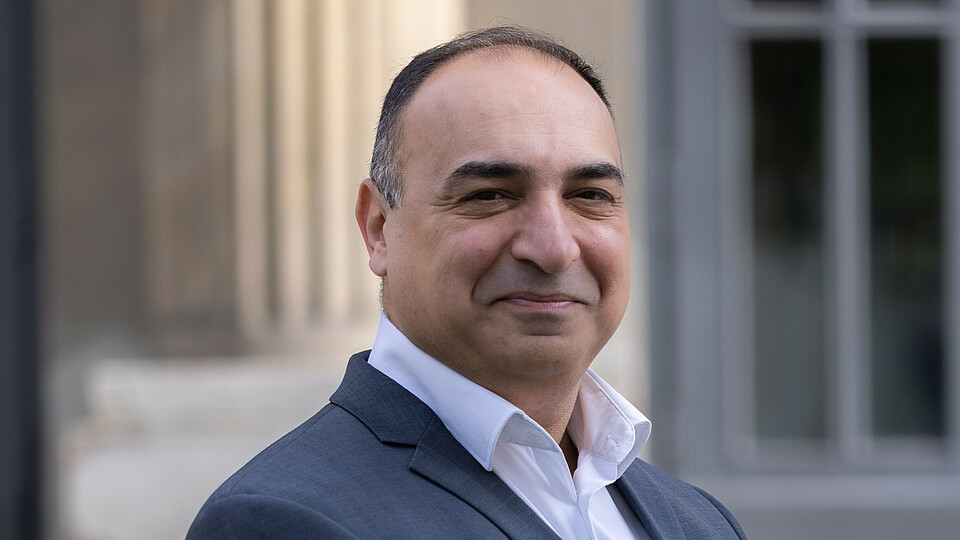
Category botschafter Humboldt-Universität zu BerlinBerlin combines a high quality of life with a strong environment for research and business, enabling growth without compromising balance.→
© Rami Shacour
Category botschafter Humboldt-Universität zu BerlinBerlin combines a high quality of life with a strong environment for research and business, enabling growth without compromising balance.→Rami Shacour
-
Category botschafter
 © Mustafa Demirbuga
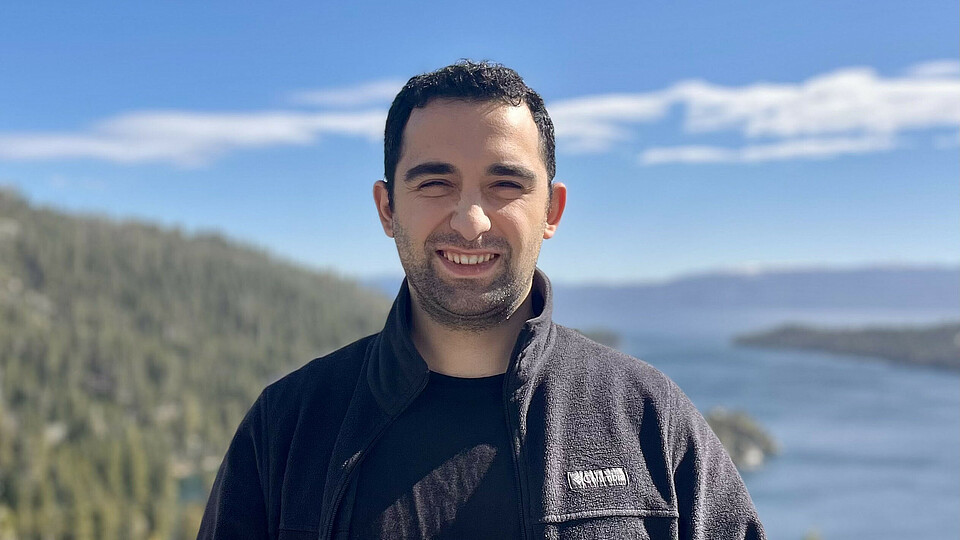
Category botschafterBerlin is a place where you can grow and flourish together.→
© Mustafa Demirbuga
Category botschafterBerlin is a place where you can grow and flourish together.→Mustafa Demirbuga
-
Category botschafter Humboldt-Universität zu Berlin
 © Smita Singh
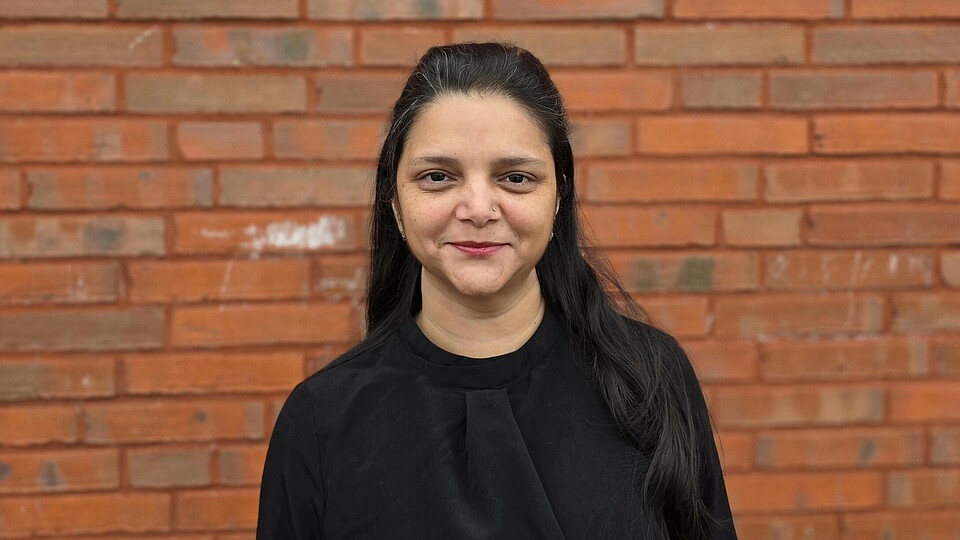
Category botschafter Humboldt-Universität zu BerlinBerlin does not ask you to fit in existing boxes. It gives you space to create your own.→
© Smita Singh
Category botschafter Humboldt-Universität zu BerlinBerlin does not ask you to fit in existing boxes. It gives you space to create your own.→Smita Singh
-
Category botschafter Technische Universität Berlin
 © Arne Sattler
Category botschafter Technische Universität BerlinBerlin offers many opportunities for exchange and collaboration. I find the close connection between TU Berlin and Charité – Universitätsmedizin…→
© Arne Sattler
Category botschafter Technische Universität BerlinBerlin offers many opportunities for exchange and collaboration. I find the close connection between TU Berlin and Charité – Universitätsmedizin…→Prof. Dr. Sina Bartfeld
-
Category botschafter Humboldt-Universität zu Berlin
 © Christian Ulrichs
Category botschafter Humboldt-Universität zu BerlinIt is important to me to take our research to the city. I find it particularly exciting when society actively participates in our research.→
© Christian Ulrichs
Category botschafter Humboldt-Universität zu BerlinIt is important to me to take our research to the city. I find it particularly exciting when society actively participates in our research.→Prof. Dr. Dr. Christian Ulrichs
-
Category botschafter Center for the Science of Materials Berlin
 © WISTA Management GmbH
Category botschafter Center for the Science of Materials BerlinBerlin is a global city. In science, there are designated experts for every topic. Berlin also has always been a seedbed for change: a special…→
© WISTA Management GmbH
Category botschafter Center for the Science of Materials BerlinBerlin is a global city. In science, there are designated experts for every topic. Berlin also has always been a seedbed for change: a special…→Prof. Dr. Stefan Hecht
-
Weizenbaum Institut Category botschafter
 © rbb
Weizenbaum Institut Category botschafterBerlin is a metropolitan area with many universities. There’s a good chance of finding people here who are like-minded and with whom you can get…→
© rbb
Weizenbaum Institut Category botschafterBerlin is a metropolitan area with many universities. There’s a good chance of finding people here who are like-minded and with whom you can get…→Prof. Dr. Sascha Friesike
-
Category botschafter Technische Universität Berlin
 © Christian Kielmann
Category botschafter Technische Universität BerlinBerlin harbours incredible potential and allows for experimentation – it’s a breeding ground for innovation.→
© Christian Kielmann
Category botschafter Technische Universität BerlinBerlin harbours incredible potential and allows for experimentation – it’s a breeding ground for innovation.→Prof. Dr. Søren Salomo
-
Category botschafter ICN Business School
 © Jessica Seiler
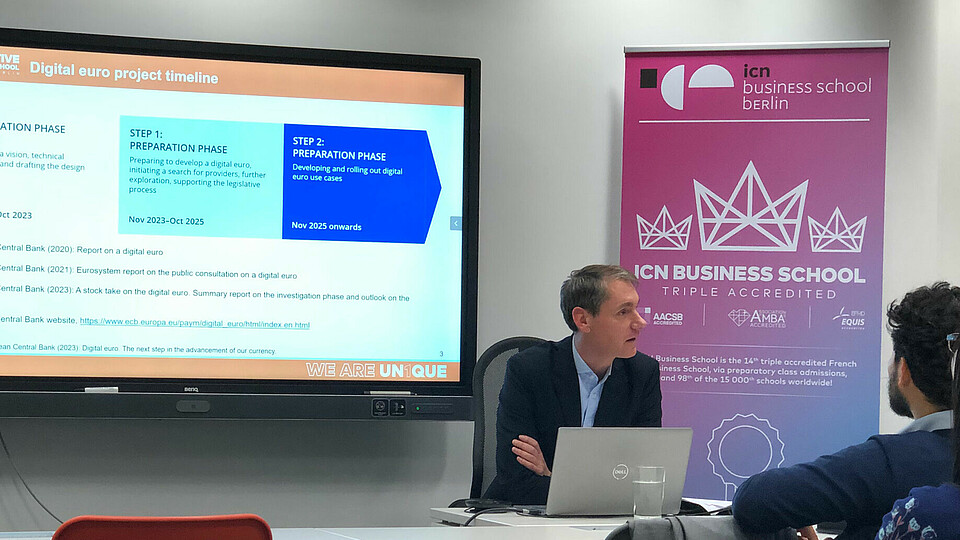
Category botschafter ICN Business SchoolBerlin impresses with its excellent infrastructure. It’s easy to network within the academic community here.→
© Jessica Seiler
Category botschafter ICN Business SchoolBerlin impresses with its excellent infrastructure. It’s easy to network within the academic community here.→Prof. Dr. rer. pol. Volker Seiler
-
Category botschafter Charité - Universitätsmedizin Berlin
 © Iris Janke
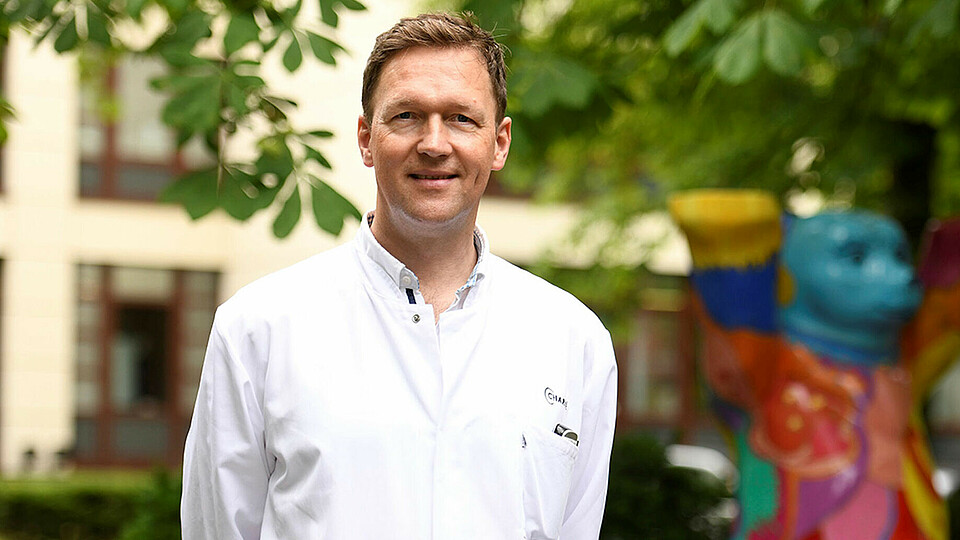
Category botschafter Charité - Universitätsmedizin BerlinBerlin offers a large number of universities, colleges and institutions that enable cooperation in many sectors.→
© Iris Janke
Category botschafter Charité - Universitätsmedizin BerlinBerlin offers a large number of universities, colleges and institutions that enable cooperation in many sectors.→Prof. Dr. med. Ulrich-Wilhelm Thomale
-
Category botschafter Charité - Universitätsmedizin Berlin
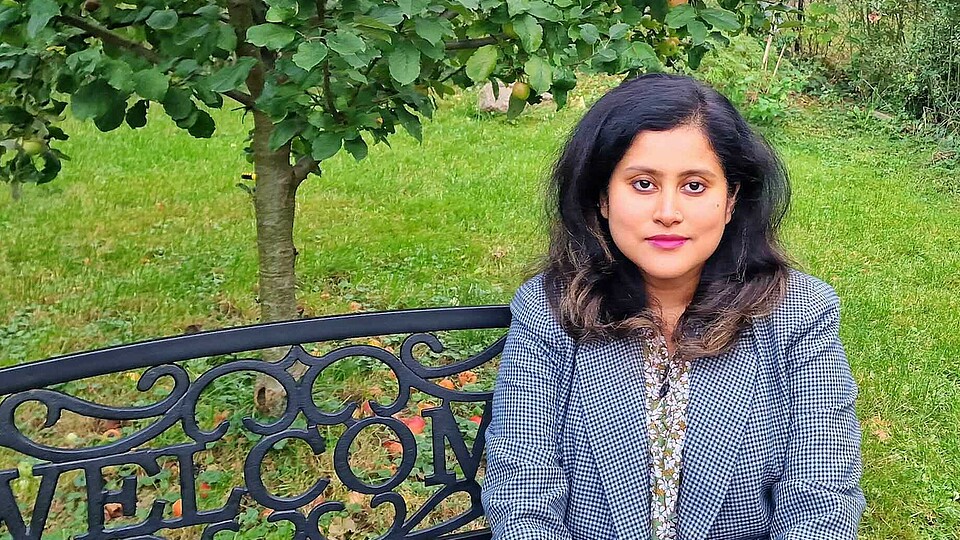 Category botschafter Charité - Universitätsmedizin BerlinThere is hardly another city that offers so many facets – science, technology, art, music and history.→
Dr. rer. nat. Priyanka Banerjee
-
Category botschafter Alice Salomon Hochschule Berlin
 © Michael Schaaf
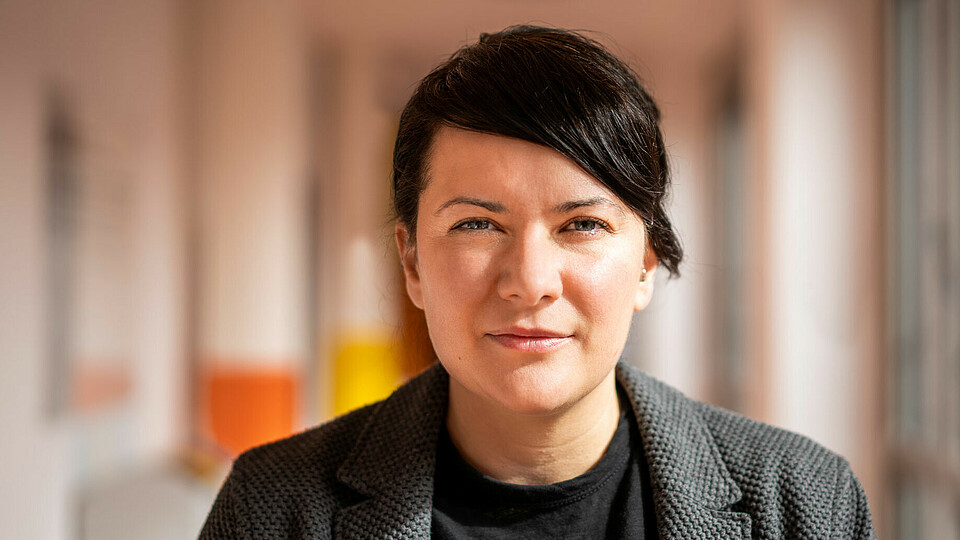
Category botschafter Alice Salomon Hochschule BerlinVery good networking, proximity to political processes, great teams, short distances to the office, an innovative environment and great diversity –…→
© Michael Schaaf
Category botschafter Alice Salomon Hochschule BerlinVery good networking, proximity to political processes, great teams, short distances to the office, an innovative environment and great diversity –…→Prof. Dr. Dr. Hürrem Tezcan-Güntekin
-
Category botschafter Freie Universität Berlin
 © David Ausserhofer
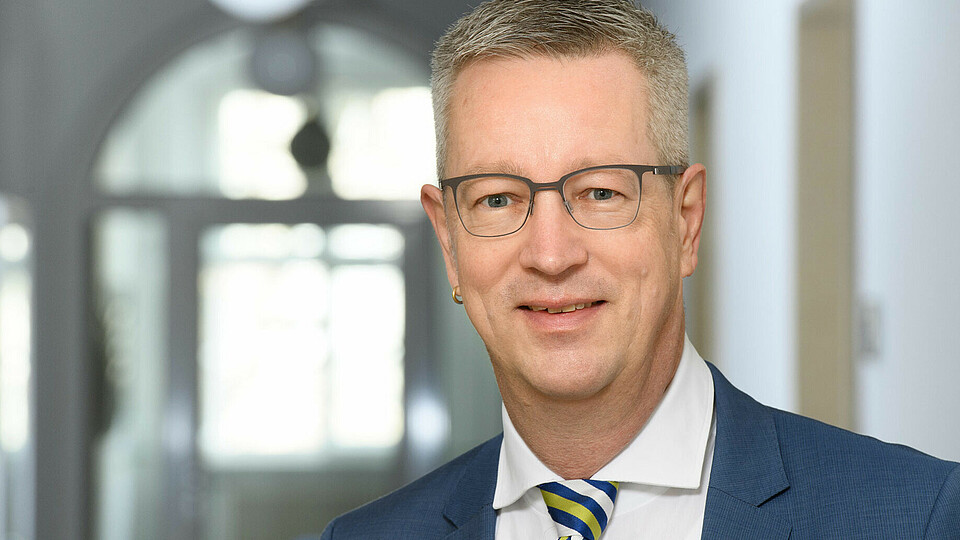
Category botschafter Freie Universität BerlinWith the Berlin University Alliance, the universities and many other higher education and research institutions, Berlin as a centre of science is a…→
© David Ausserhofer
Category botschafter Freie Universität BerlinWith the Berlin University Alliance, the universities and many other higher education and research institutions, Berlin as a centre of science is a…→Prof. Günter M. Ziegler
-
Category botschafter Weierstrass Institute
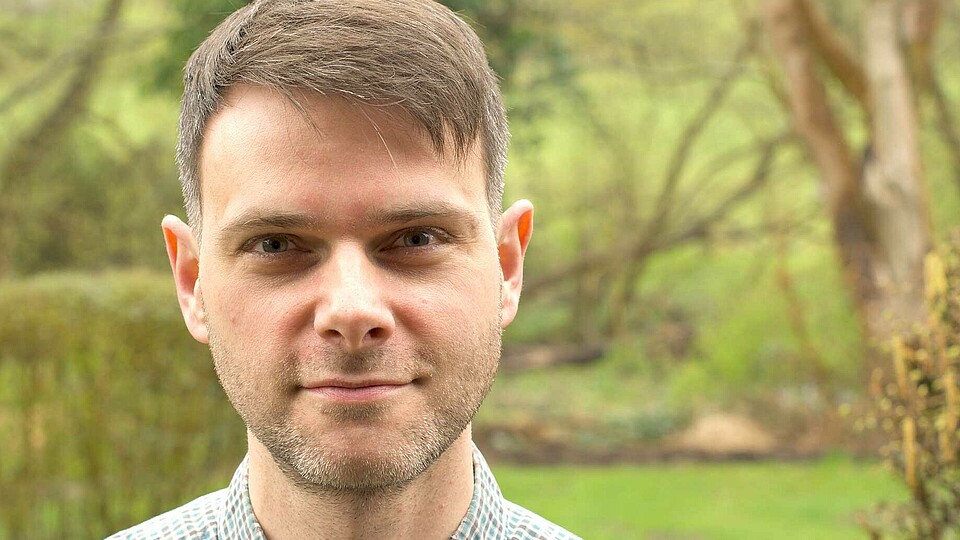 Category botschafter Weierstrass InstituteIn Berlin there are several excellent mathematics institutions and a wealth of interesting areas to apply mathematics.→
Dr. Patricio Farrell
-
Category botschafter BG Klinikum Unfallkrankenhaus Berlin
 © Dorothea Scheurlen DGPh, ukb
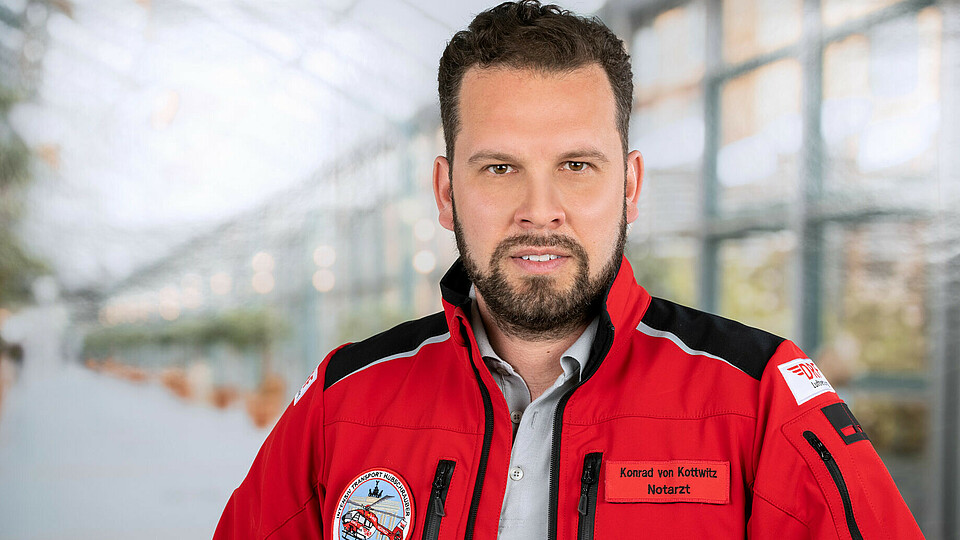
Category botschafter BG Klinikum Unfallkrankenhaus BerlinBerlin is now at the forefront of emergency medical care. Pragmatic approaches are being developed into standards through model projects and are…→
© Dorothea Scheurlen DGPh, ukb
Category botschafter BG Klinikum Unfallkrankenhaus BerlinBerlin is now at the forefront of emergency medical care. Pragmatic approaches are being developed into standards through model projects and are…→Konrad von Kottwitz
-
Category botschafter Katholische Hochschule für Sozialwesen Berlin (KHSB Berlin)
 © Nicola Sernow
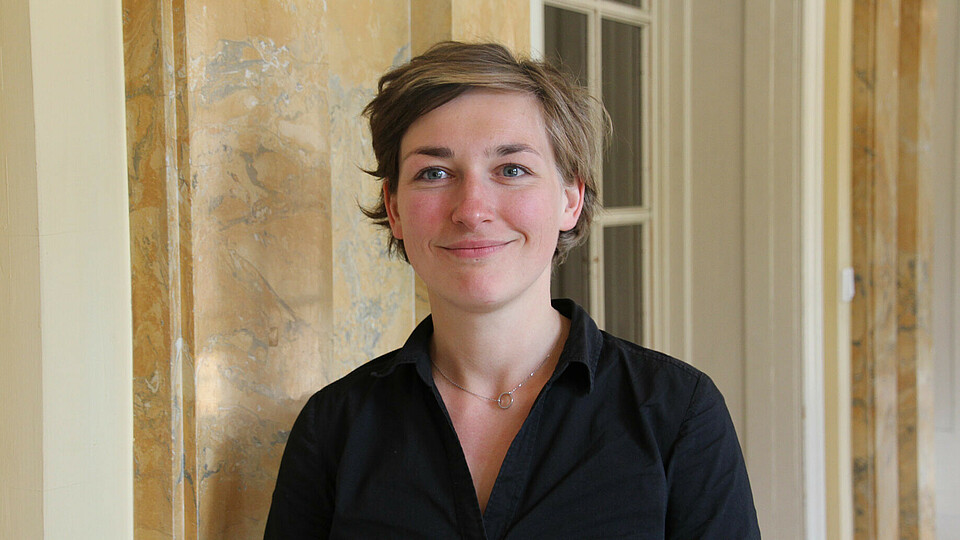
Category botschafter Katholische Hochschule für Sozialwesen Berlin (KHSB Berlin)The diversity of Berlin offers a lot of scientific potential: Practical and committed people come together here and develop and try out new things.→
© Nicola Sernow
Category botschafter Katholische Hochschule für Sozialwesen Berlin (KHSB Berlin)The diversity of Berlin offers a lot of scientific potential: Practical and committed people come together here and develop and try out new things.→Prof. Dr. Sarah Häseler
-
Category botschafter Evangelische Hochschule Berlin
 © Nils Bornemann
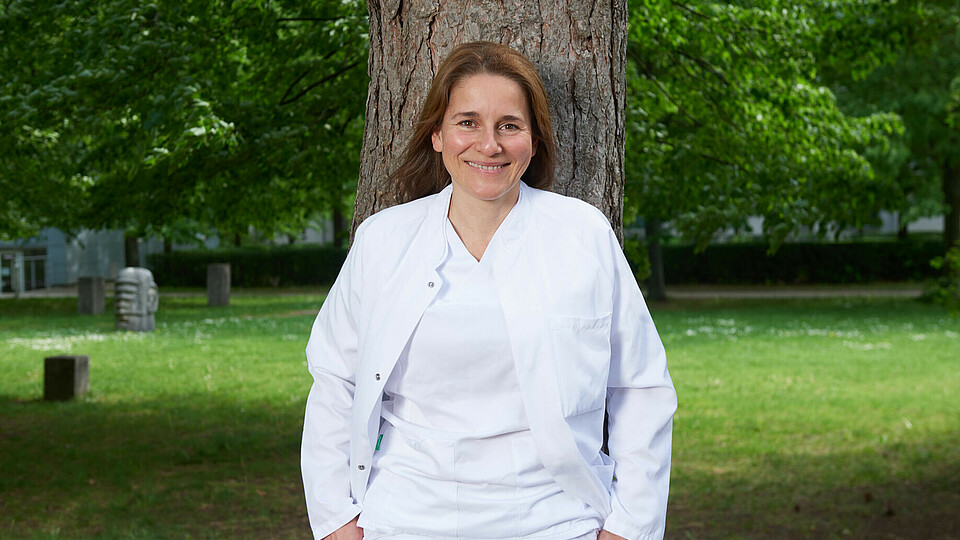
Category botschafter Evangelische Hochschule BerlinBerlin’s strength lies in the networking of the individual educational institutes and in the fact that not every institution has to reinvent the…→
© Nils Bornemann
Category botschafter Evangelische Hochschule BerlinBerlin’s strength lies in the networking of the individual educational institutes and in the fact that not every institution has to reinvent the…→Prof. Dr. Mandy Mangler
-
Category botschafter Humboldt-Universität zu Berlin
 © Wael Yakti
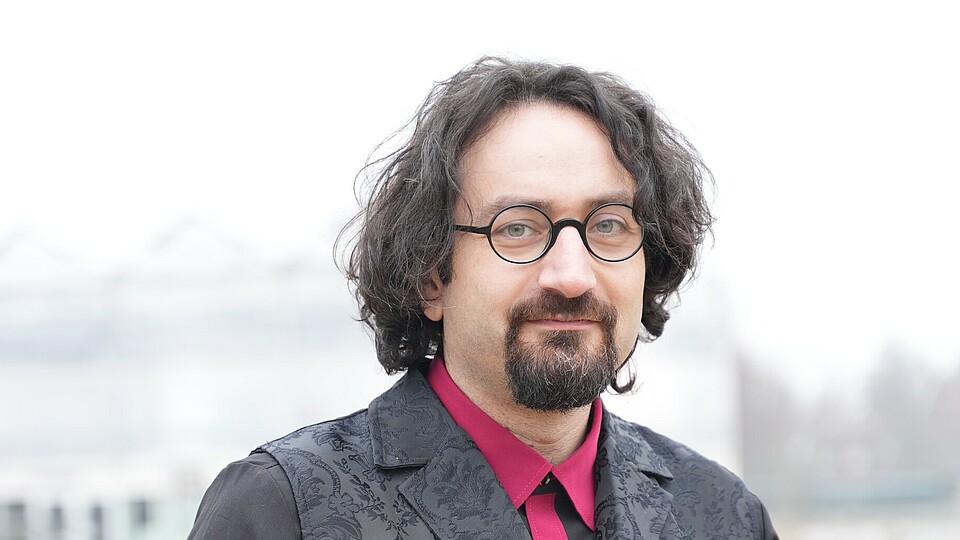
Category botschafter Humboldt-Universität zu BerlinBerlin offers almost unlimited opportunities for cooperation, many cultural events and a colourful social life.→
© Wael Yakti
Category botschafter Humboldt-Universität zu BerlinBerlin offers almost unlimited opportunities for cooperation, many cultural events and a colourful social life.→Dr. Wael Yakti
-
Category botschafter
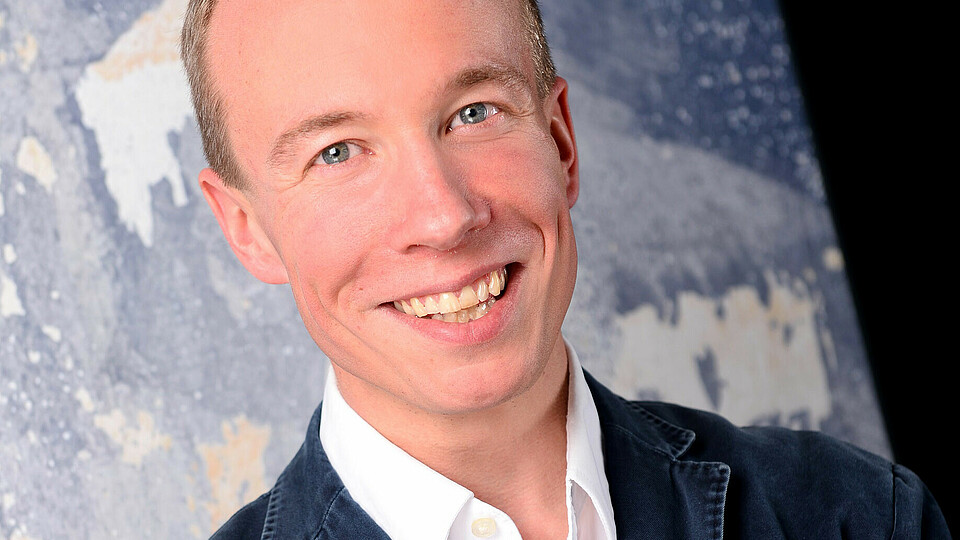 Category botschafterInternational connectivity, creative exchange, specialists in many exciting niches: Berlin is a nucleus for innovation, a living tree of knowledge and…→
Prof. Dr. Peter Konhäusner
-
Category botschafter Deutsches Zentrum für Luft- und Raumfahrt
 © Berlin Partner/gretchen
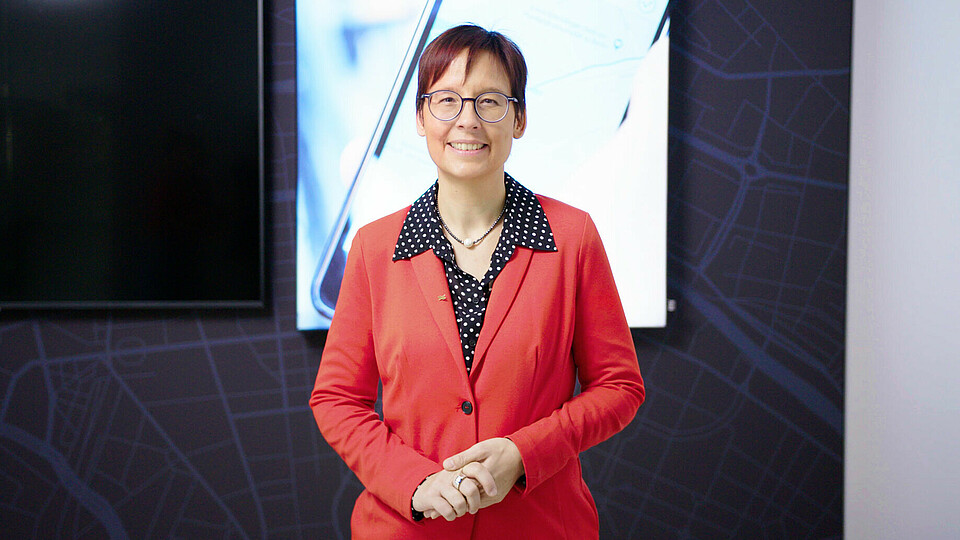
Category botschafter Deutsches Zentrum für Luft- und RaumfahrtBerlin can play an important pioneering role for the mobility transition in Germany and has already achieved a great deal along the way.→
© Berlin Partner/gretchen
Category botschafter Deutsches Zentrum für Luft- und RaumfahrtBerlin can play an important pioneering role for the mobility transition in Germany and has already achieved a great deal along the way.→Prof. Dr. Meike Jipp
-
Category botschafter Technische Universität Berlin
 © Magnus Reed
Category botschafter Technische Universität BerlinBerlin is a lively city where non-academics who are outside the establishment can express themselves→
© Magnus Reed
Category botschafter Technische Universität BerlinBerlin is a lively city where non-academics who are outside the establishment can express themselves→Brain City Ambassador Jess de Jesus de Pinho Pinhal
-
Category botschafter Mercator Research Institute on Global Commons and Climate Change
 Photo: MCC Berlin © Matti Hillig
Category botschafter Mercator Research Institute on Global Commons and Climate ChangeThere is no expertise that is not available in Berlin. For me, this is a decisive advantage of the location.→
Photo: MCC Berlin © Matti Hillig
Category botschafter Mercator Research Institute on Global Commons and Climate ChangeThere is no expertise that is not available in Berlin. For me, this is a decisive advantage of the location.→Brain City Ambassador Prof. Dr. Felix Creutzig
-
Category botschafter Ferdinand-Braun-Institut
 Photo: Dr Markus Krutzik
Category botschafter Ferdinand-Braun-InstitutIn Berlin there are universities and research institutes with high international visibility – especially in areas related to optics and photonics.→
Photo: Dr Markus Krutzik
Category botschafter Ferdinand-Braun-InstitutIn Berlin there are universities and research institutes with high international visibility – especially in areas related to optics and photonics.→Brain City Ambassador Dr. Markus Krutzik
-
Category botschafter Hochschule für Technik und Wirtschaft Berlin (HTW Berlin)
 private
Category botschafter Hochschule für Technik und Wirtschaft Berlin (HTW Berlin)Research in Berlin is research into contrasts. There are few cities that are closer to the zeitgeist.→
private
Category botschafter Hochschule für Technik und Wirtschaft Berlin (HTW Berlin)Research in Berlin is research into contrasts. There are few cities that are closer to the zeitgeist.→Prof Dr Kai Reinhardt
-
Category botschafter Labor Berlin - Charité Vivantes
 ©Christopher Hardt
Category botschafter Labor Berlin - Charité VivantesIn Berlin, you can find an excellent mix of small and medium-sized research companies, as well as large firms, scientific institutes, universities and…→
©Christopher Hardt
Category botschafter Labor Berlin - Charité VivantesIn Berlin, you can find an excellent mix of small and medium-sized research companies, as well as large firms, scientific institutes, universities and…→Christopher Hardt
-
Category botschafter Technische Universität Berlin
![[Translate to English:]](/fileadmin/_processed_/b/c/csm_Lang_Berlin-Partner_Philipp-Jester_683x384_31db623bc3.jpg "[Translate to English:]") [Translate to English:]
Category botschafter Technische Universität BerlinThis is what makes Berlin so unique for me as an entrepreneur: I can call upon scientific expertise for any issue that may arise.→
[Translate to English:]
Category botschafter Technische Universität BerlinThis is what makes Berlin so unique for me as an entrepreneur: I can call upon scientific expertise for any issue that may arise.→Prof. Dr. Christine Lang