


-

© Julian Ebinal
29.10.2026Bengisu Berispek - Technical University Berlin

How can knowledge about climate change be turned into concrete action? This is the question environmental engineer Bengisu Berispek explores at Technische Universität Berlin. As founder and head of the Sustain.ALL Transformation Hub, she brings together students, public administration, businesses and civil society to jointly develop and test solutions for climate protection and climate adaptation. She is a research associate and lecturer in the Digital Water Systems department, and her work combines research, teaching and knowledge transfer to society. Sustain.ALL also addresses other transformation issues, such as the circular economy, social participation and digital sustainability.
“I’m concerned with the gap between existing knowledge and how it is applied in everyday life,” says Bengisu Berispek. At TU Berlin, she studies how technical measures to reduce emissions interact with participatory processes and organizational structures, and under what conditions they lead to lasting change. Her focus is on public institutions, universities and urban neighborhoods.
Her doctoral research brings together three areas: decarbonization, digitalization using participatory and AI-supported tools, and the further development of university teaching through challenge-based learning and co-creation. She investigates how technical solutions, participation and new approaches to teaching and learning can contribute to the sustainable transformation of universities and cities.
She has experienced firsthand how closely technology and everyday life are connected. After completing her studies, she worked for several years in climate protection for the State of Berlin, including on the “Climate-Neutral City” project. She developed climate action roadmaps for schools and public buildings as well as a climate coaching methodology.
Together with department heads, managers and staff, she drew up a climate action guide with 47 measures for around 5,000 buildings owned by the State of Berlin, aligned with the goal of climate neutrality by 2045. In doing so, she combined technical approaches with organizational requirements and the practical experience of the people on site.
An important impetus for her current work came during the COVID-19 pandemic. When a planned trip for a plastics recycling project in Africa was canceled, Bengisu Berispek began to ask what changes could be initiated locally. “This led me to focus more closely on the question of what changes we can bring about directly on the ground.” This shift toward local implementation played a key role in shaping Sustain.ALL. At its core is a course module she developed for students at TU Berlin and the Berlin University Alliance: up to 50 students in the module and more than 100 participants in the hackathons learn to analyze complex transformation challenges, incorporate different perspectives and test solutions together.
From May 2027, the Sustain.ALL module will be open to students from ten European universities as part of the European university alliance ENHANCE, enabling them to work together on real-world transformation challenges across universities and national borders.
Bengisu Berispek designs and supervises the challenge projects personally, from jointly defining the problem through developing and testing solutions to implementation and reflecting on their impact. In the process, she is also developing her own role: as a lecturer, she teaches knowledge and methods; as a coach and facilitator, she supports students and practice partners in finding their own solutions, questioning existing processes and driving change independently. In her research, she reflects on how these different roles influence collaboration, learning and implementation.
We need people who can put scientific findings into context, take responsibility and shape transformation together.
Sustain.ALL is not just for students. At hackathons, co-creation days and the Sustain.ALL Forum, members of the public work on concrete challenges together with people from politics, public administration, NGOs and businesses. Around 90 participants in ten teams took part in one of the hackathons. Through an open call, the “Open Call for Transformation,” anyone interested can submit their own challenges. As a researcher, Bengisu Berispek is interested in whether and how such formats encourage collaboration and under what conditions the results are implemented over the long term. She also examines how solutions can be embedded in institutions and what social and environmental impact they have. A new focus is artificial intelligence: “I want to explore how AI can be used as a tool for co-creation, for example to bring together different bodies of knowledge, develop ideas together and evaluate possible solutions.” She also keeps an eye on the limits of these approaches and potential barriers to access. People should critically review and further develop the results and retain the final say. With her podcast “SHIFT Z” and the “Transformation Talks,” she also brings her topics to a wider public.
She also shares her mission, experience and methods at climate and science conferences, where she gains new perspectives and builds partnerships. With her planned contributions to the UN Climate Change Conference (COP), she hopes to expand this exchange internationally. Her goal is to empower more people to get involved and to put jointly developed approaches into practice beyond the campus. The ideas gained from this exchange feed back into her work.
Bengisu Berispek first came to Berlin in 2016 as an Erasmus student while studying environmental engineering at Istanbul Technical University. In 2019, she returned to TU Berlin for her master’s degree in environmental engineering. In 2024, she received an award at Falling Walls Engage and was named one of the “100 Köpfe der Berliner Wissenschaft” (100 Minds of Berlin Science) by the Tagesspiegel newspaper. “I first came to Berlin as an international student. Today, the city is my home and the place where I can develop my own initiatives and take on responsibility.” Or, as she puts it herself: “Ich bin ein Berliner!”
What she particularly values about Brain City Berlin is the close proximity of science, politics, culture and civil society. “What is especially valuable for my work is that questions of sustainable transformation are directly visible here: in public buildings, on campus and in the neighborhoods.” For the future, she hopes for long-term structures for collaboration between science and society that go beyond individual projects and short funding periods.
Transformation challenges require partnerships that go beyond individual projects and short funding periods.
She advises young researchers coming to Berlin to build networks early, for example at Berlin Science Week, and to actively seek out communities that can help them find their way. At the same time, she recommends setting priorities: “Berlin offers many opportunities. At the same time, an academic career needs space for in-depth work, critical exchange and the further development of your own questions. My advice is therefore to stay open to new connections and to develop your own research focus deliberately.”
Further information:
More ambassadors
-
Category botschafter Humboldt-Universität zu Berlin
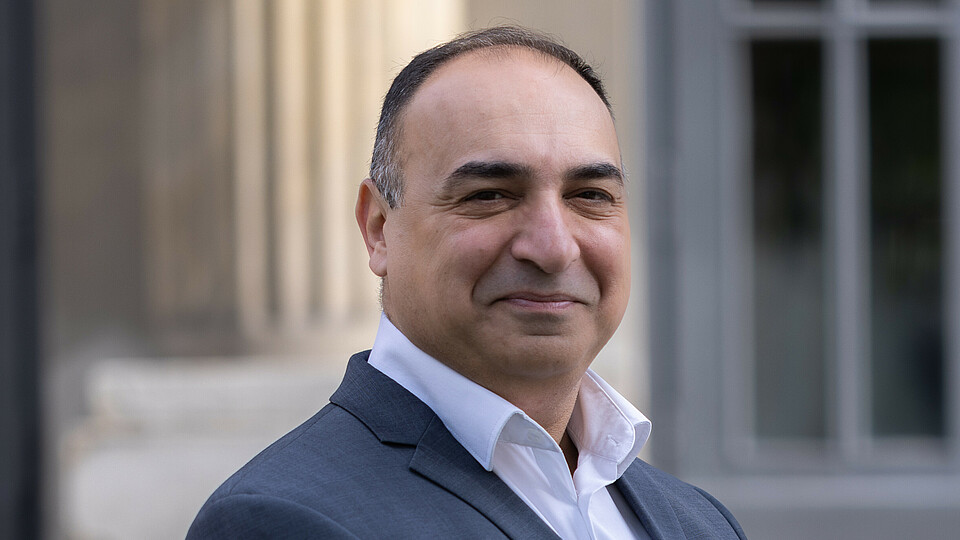 © Rami Shacour
Category botschafter Humboldt-Universität zu BerlinBerlin combines a high quality of life with a strong environment for research and business, enabling growth without compromising balance.→
Rami Shacour
-
Category botschafter
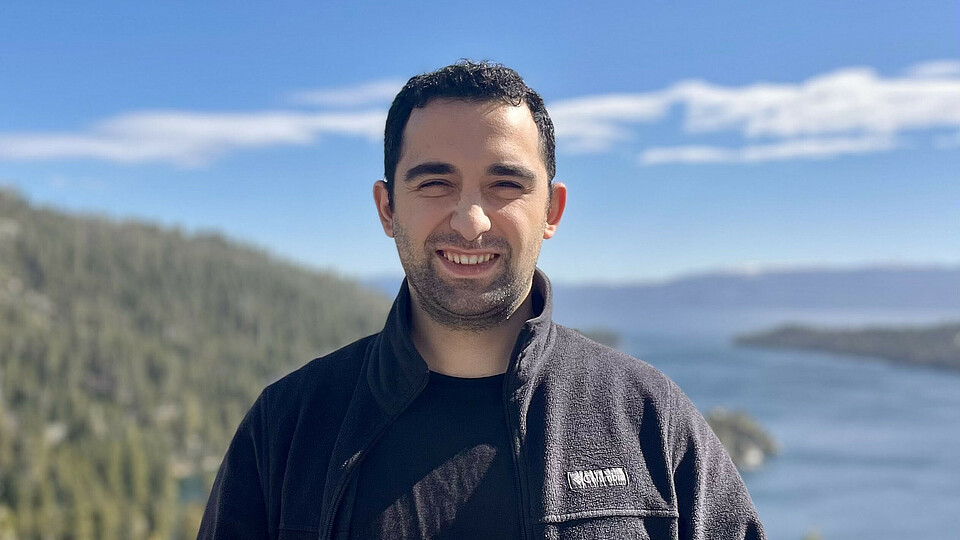 © Mustafa Demirbuga
Category botschafterBerlin is a place where you can grow and flourish together.→
Mustafa Demirbuga
-
Category botschafter Charité - Universitätsmedizin Berlin
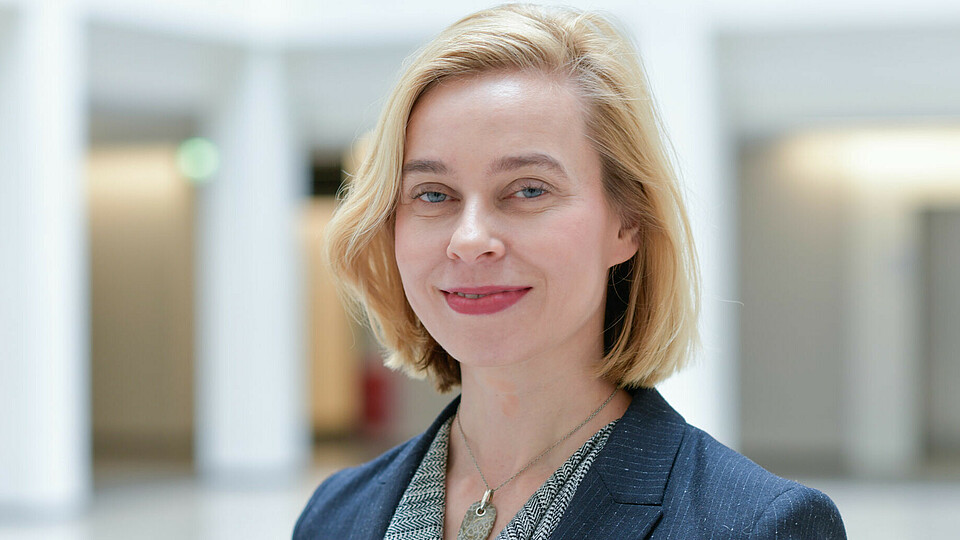 © Charité Universitätsmedizin Berlin
Category botschafter Charité - Universitätsmedizin BerlinThe neurosciences are extremely well established here. And Berlin is also a highly attractive city. It is easy to find excellent colleagues. That is…→
Prof. Dr. Petra Ritter
-
Category botschafter Humboldt-Universität zu Berlin
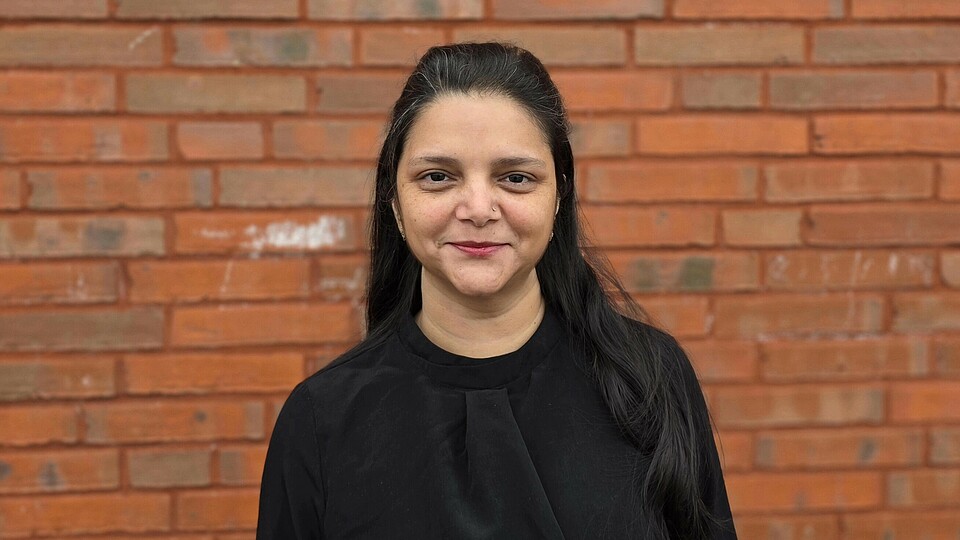 © Smita Singh
Category botschafter Humboldt-Universität zu BerlinBerlin does not ask you to fit in existing boxes. It gives you space to create your own.→
Smita Singh
-
Category botschafter Technische Universität Berlin
 © Arne Sattler
Category botschafter Technische Universität BerlinBerlin offers many opportunities for exchange and collaboration. I find the close connection between TU Berlin and Charité – Universitätsmedizin…→
Prof. Dr. Sina Bartfeld
-
Category botschafter Humboldt-Universität zu Berlin
 © Christian Ulrichs
Category botschafter Humboldt-Universität zu BerlinIt is important to me to take our research to the city. I find it particularly exciting when society actively participates in our research.→
Prof. Dr. Dr. Christian Ulrichs
-
Category botschafter Center for the Science of Materials Berlin
 © WISTA Management GmbH
Category botschafter Center for the Science of Materials BerlinBerlin is a global city. In science, there are designated experts for every topic. Berlin also has always been a seedbed for change: a special…→
Prof. Dr. Stefan Hecht
-
Weizenbaum Institut Category botschafter
 © rbb
Weizenbaum Institut Category botschafterBerlin is a metropolitan area with many universities. There’s a good chance of finding people here who are like-minded and with whom you can get…→
Prof. Dr. Sascha Friesike
-
Category botschafter Technische Universität Berlin
 © Christian Kielmann
Category botschafter Technische Universität BerlinBerlin harbours incredible potential and allows for experimentation – it’s a breeding ground for innovation.→
Prof. Dr. Søren Salomo
-
Category botschafter ICN Business School
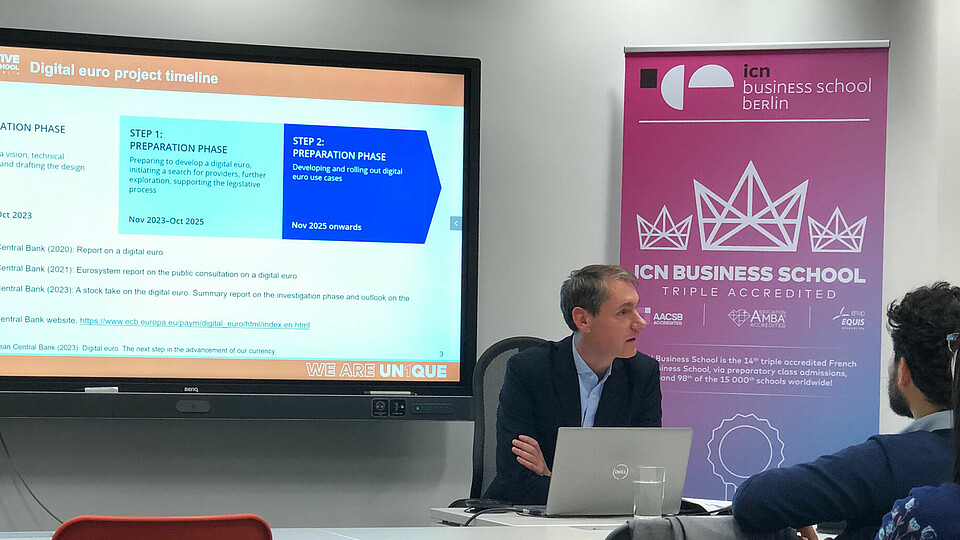 © Jessica Seiler
Category botschafter ICN Business SchoolBerlin impresses with its excellent infrastructure. It’s easy to network within the academic community here.→
Prof. Dr. rer. pol. Volker Seiler
-
Category botschafter Charité - Universitätsmedizin Berlin
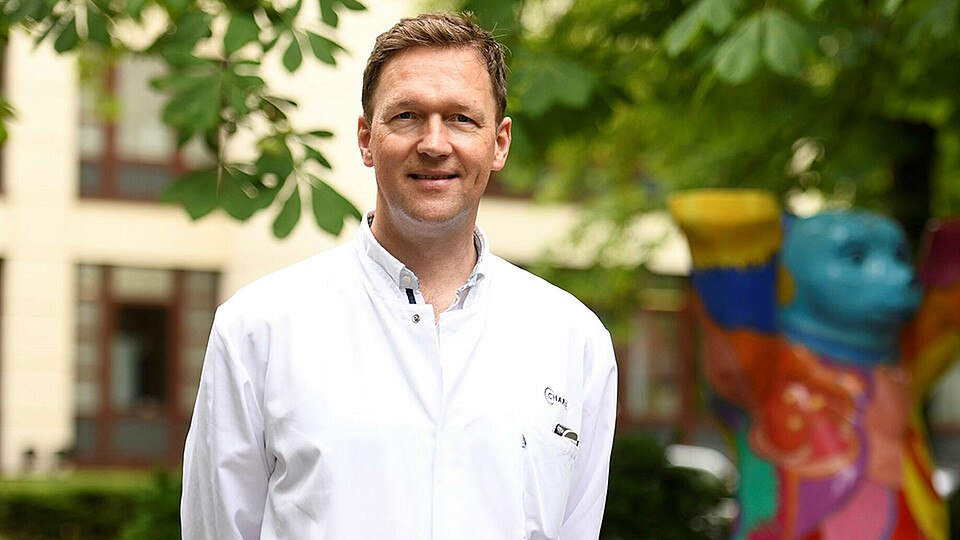 © Iris Janke
Category botschafter Charité - Universitätsmedizin BerlinBerlin offers a large number of universities, colleges and institutions that enable cooperation in many sectors.→
Prof. Dr. med. Ulrich-Wilhelm Thomale
-
Category botschafter Charité - Universitätsmedizin Berlin
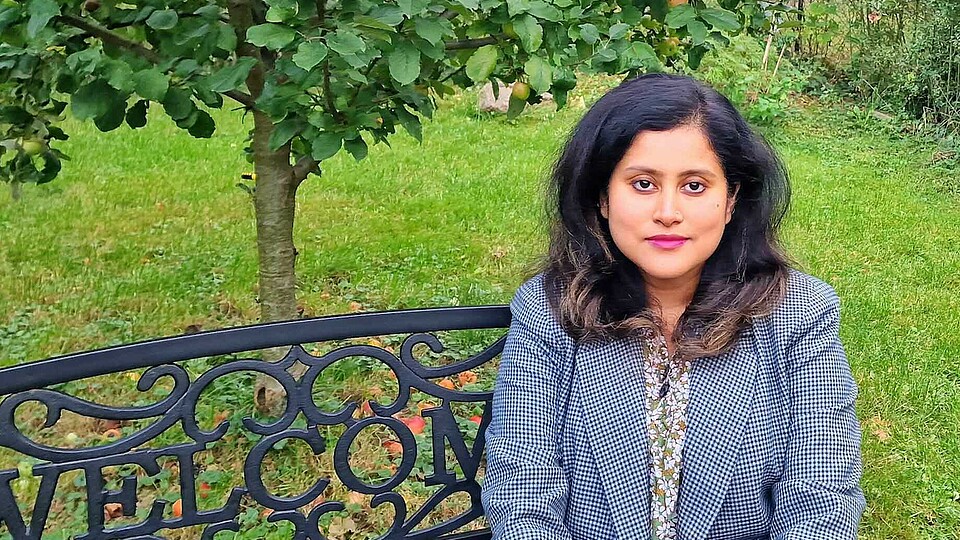 Category botschafter Charité - Universitätsmedizin BerlinThere is hardly another city that offers so many facets – science, technology, art, music and history.→
Dr. rer. nat. Priyanka Banerjee
-
Category botschafter Alice Salomon Hochschule Berlin
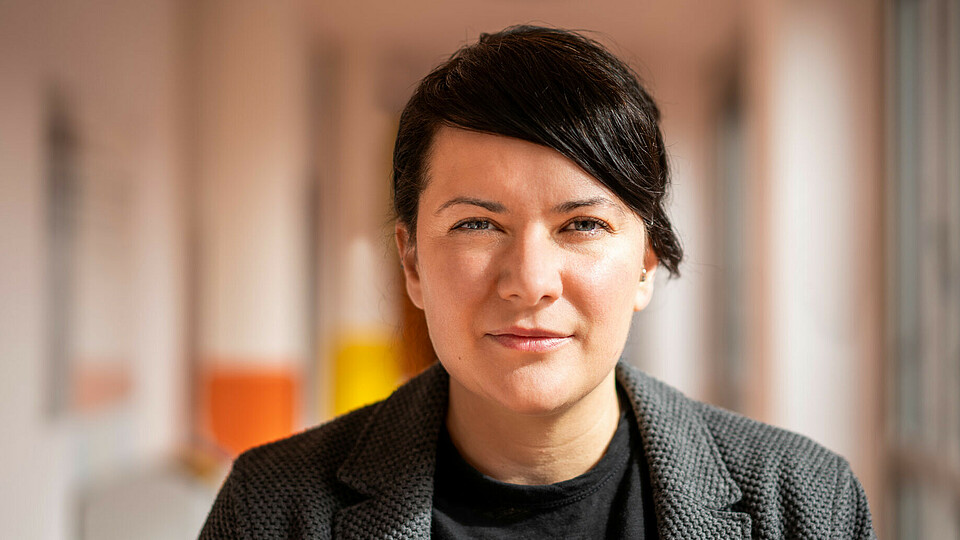 © Michael Schaaf
Category botschafter Alice Salomon Hochschule BerlinVery good networking, proximity to political processes, great teams, short distances to the office, an innovative environment and great diversity –…→
Prof. Dr. Dr. Hürrem Tezcan-Güntekin
-
Category botschafter Freie Universität Berlin
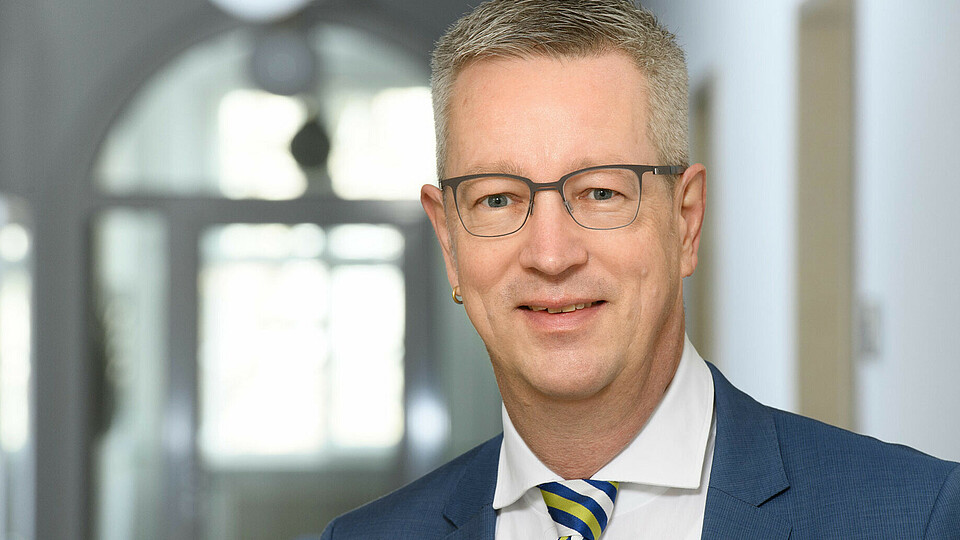 © David Ausserhofer
Category botschafter Freie Universität BerlinWith the Berlin University Alliance, the universities and many other higher education and research institutions, Berlin as a centre of science is a…→
Prof. Günter M. Ziegler
-
Category botschafter Weierstrass Institute
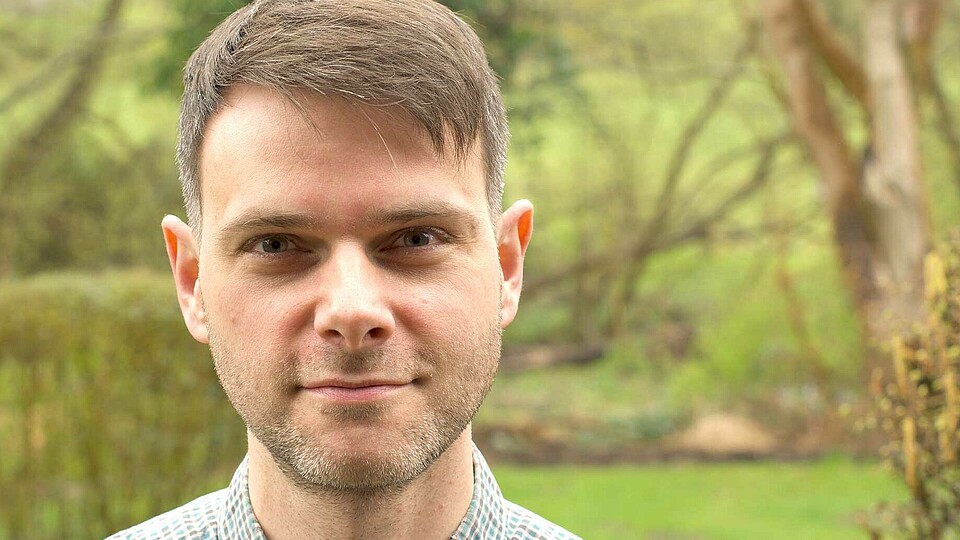 Category botschafter Weierstrass InstituteIn Berlin there are several excellent mathematics institutions and a wealth of interesting areas to apply mathematics.→
Dr. Patricio Farrell
-
Category botschafter BG Klinikum Unfallkrankenhaus Berlin
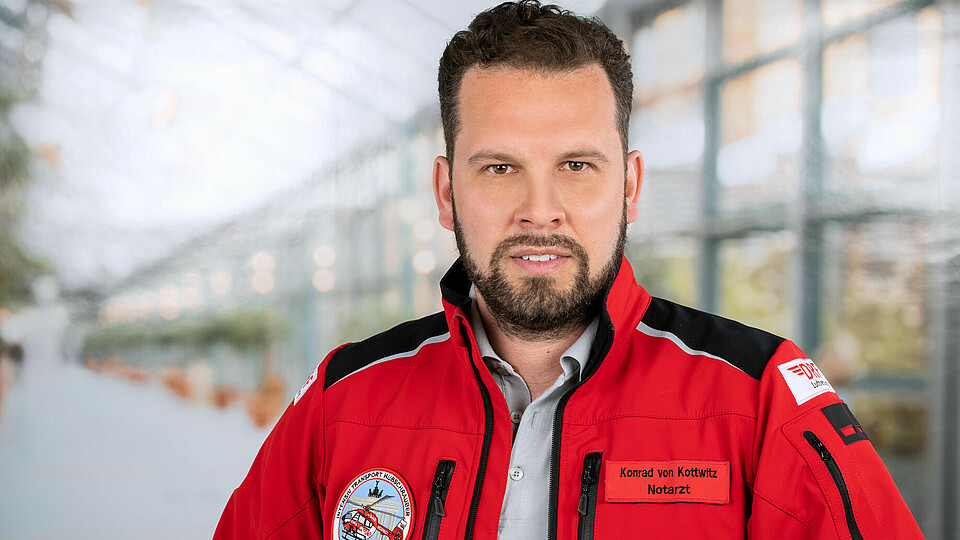 © Dorothea Scheurlen DGPh, ukb
Category botschafter BG Klinikum Unfallkrankenhaus BerlinBerlin is now at the forefront of emergency medical care. Pragmatic approaches are being developed into standards through model projects and are…→
Konrad von Kottwitz
-
Category botschafter Katholische Hochschule für Sozialwesen Berlin (KHSB Berlin)
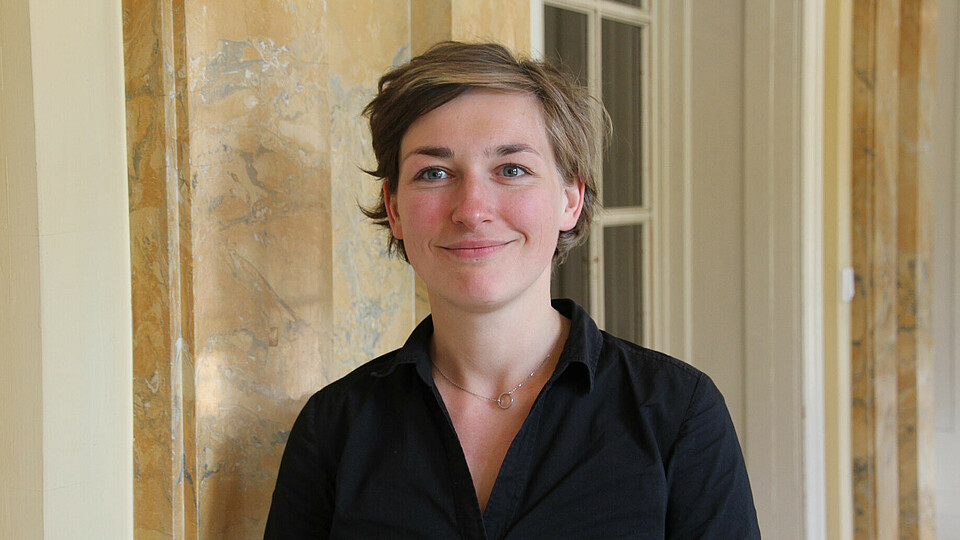 © Nicola Sernow
Category botschafter Katholische Hochschule für Sozialwesen Berlin (KHSB Berlin)The diversity of Berlin offers a lot of scientific potential: Practical and committed people come together here and develop and try out new things.→
Prof. Dr. Sarah Häseler
-
Category botschafter Evangelische Hochschule Berlin
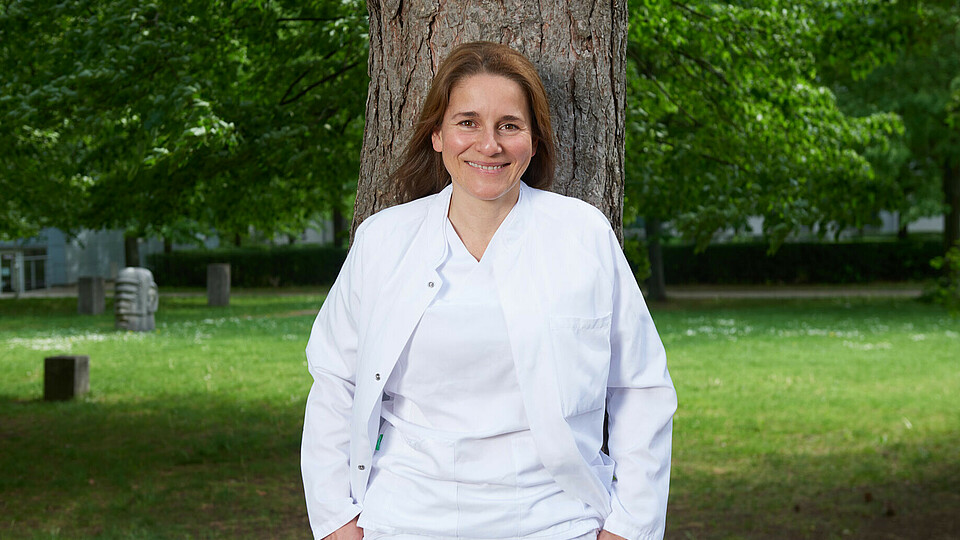 © Nils Bornemann
Category botschafter Evangelische Hochschule BerlinBerlin’s strength lies in the networking of the individual educational institutes and in the fact that not every institution has to reinvent the…→
Prof. Dr. Mandy Mangler
-
Category botschafter Humboldt-Universität zu Berlin
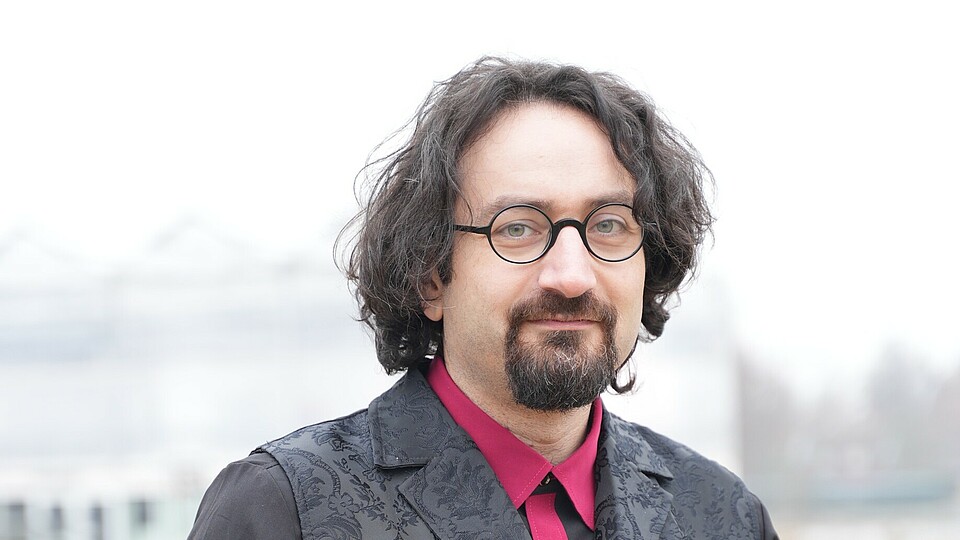 © Wael Yakti
Category botschafter Humboldt-Universität zu BerlinBerlin offers almost unlimited opportunities for cooperation, many cultural events and a colourful social life.→
Dr. Wael Yakti
-
Category botschafter
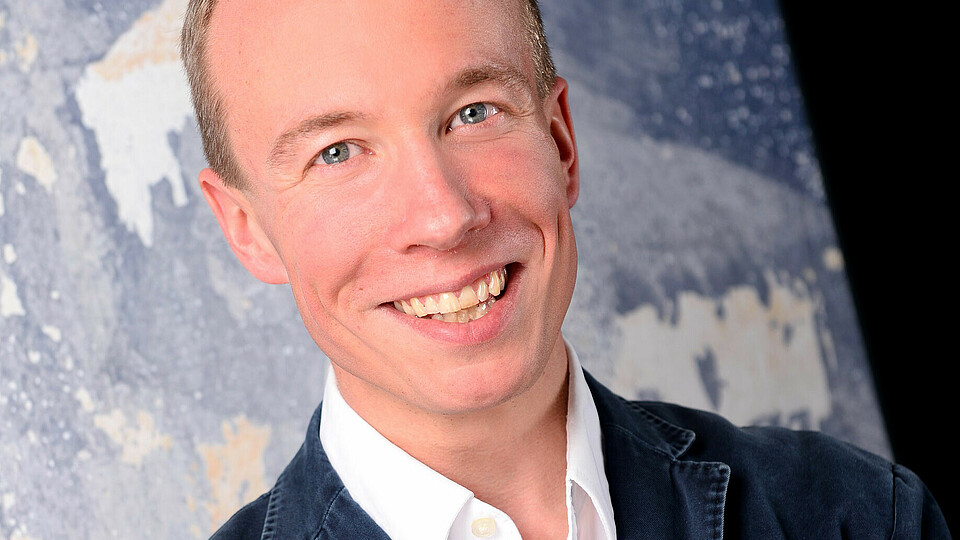 Category botschafterInternational connectivity, creative exchange, specialists in many exciting niches: Berlin is a nucleus for innovation, a living tree of knowledge and…→
Prof. Dr. Peter Konhäusner
-
Category botschafter Deutsches Zentrum für Luft- und Raumfahrt
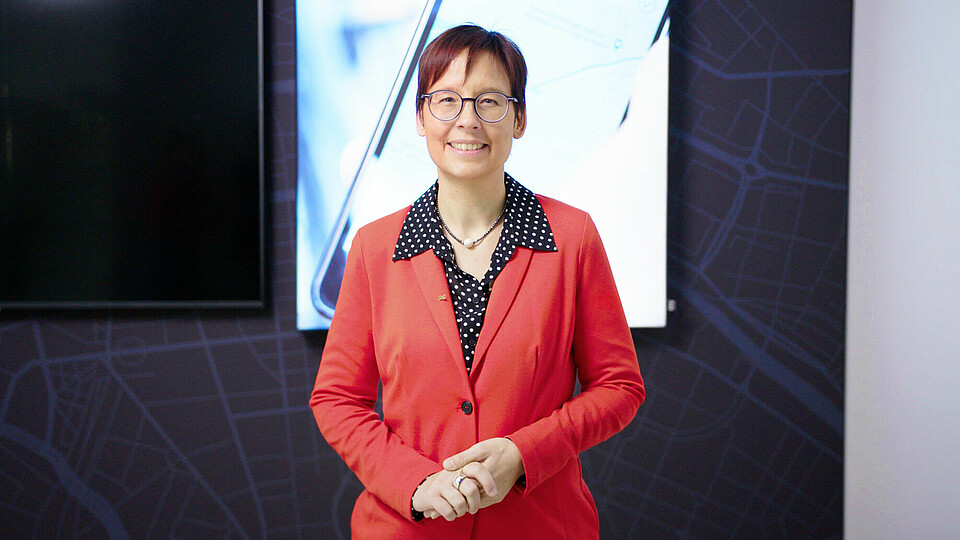 © Berlin Partner/gretchen
Category botschafter Deutsches Zentrum für Luft- und RaumfahrtBerlin can play an important pioneering role for the mobility transition in Germany and has already achieved a great deal along the way.→
Prof. Dr. Meike Jipp
-
Category botschafter Technische Universität Berlin
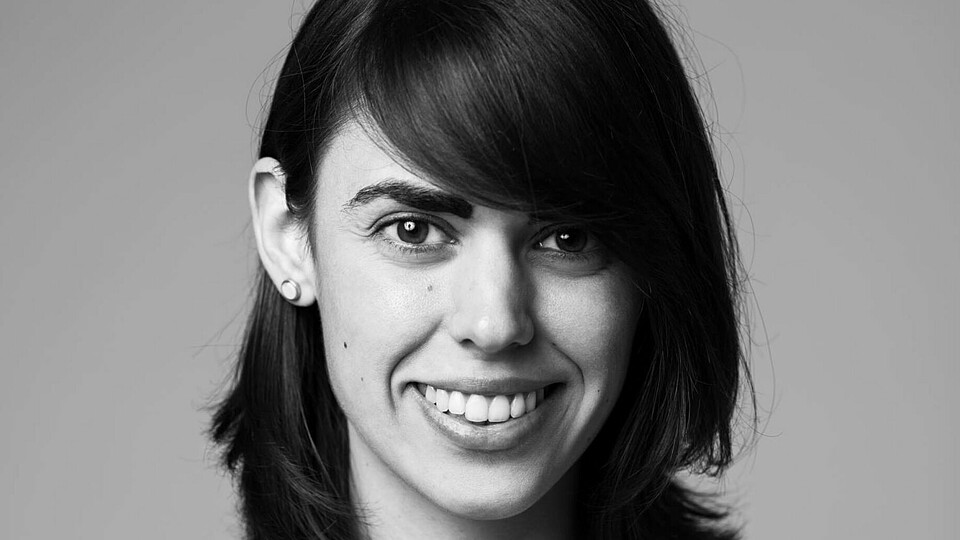 © Magnus Reed
Category botschafter Technische Universität BerlinBerlin is a lively city where non-academics who are outside the establishment can express themselves→
Brain City Ambassador Jess de Jesus de Pinho Pinhal
-
Category botschafter Mercator Research Institute on Global Commons and Climate Change
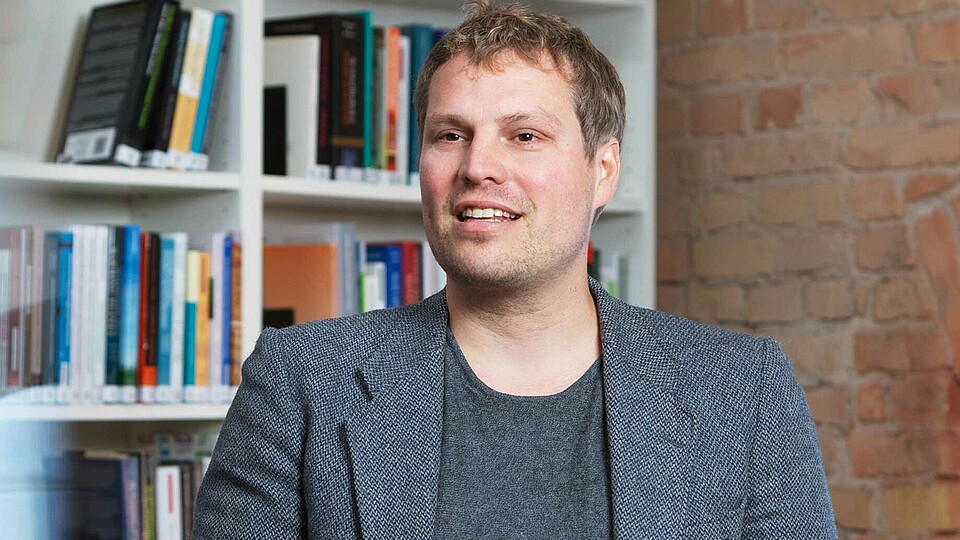 Photo: MCC Berlin © Matti Hillig
Category botschafter Mercator Research Institute on Global Commons and Climate ChangeThere is no expertise that is not available in Berlin. For me, this is a decisive advantage of the location.→
Brain City Ambassador Prof. Dr. Felix Creutzig
-
Category botschafter Ferdinand-Braun-Institut
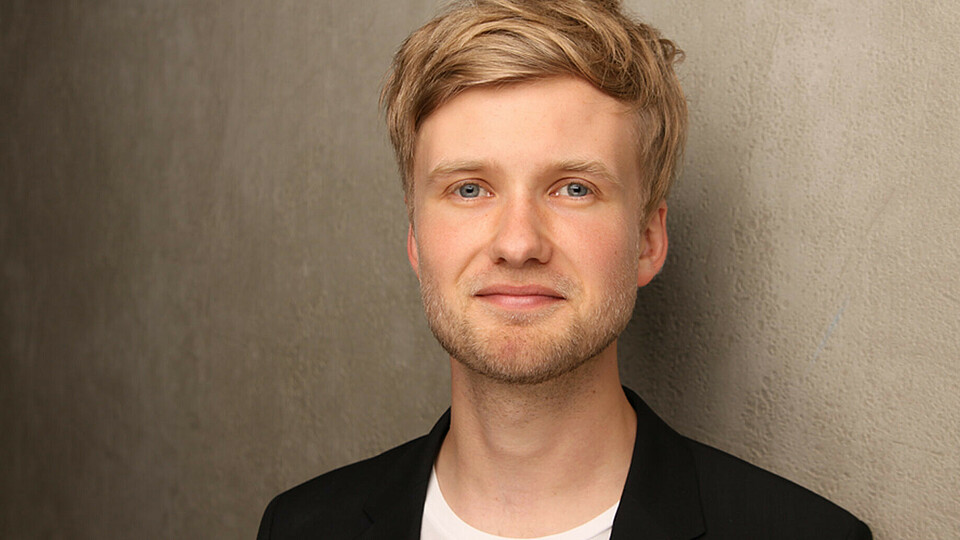 Photo: Dr Markus Krutzik
Category botschafter Ferdinand-Braun-InstitutIn Berlin there are universities and research institutes with high international visibility – especially in areas related to optics and photonics.→
Brain City Ambassador Dr. Markus Krutzik
-
Category botschafter Hochschule für Technik und Wirtschaft Berlin (HTW Berlin)
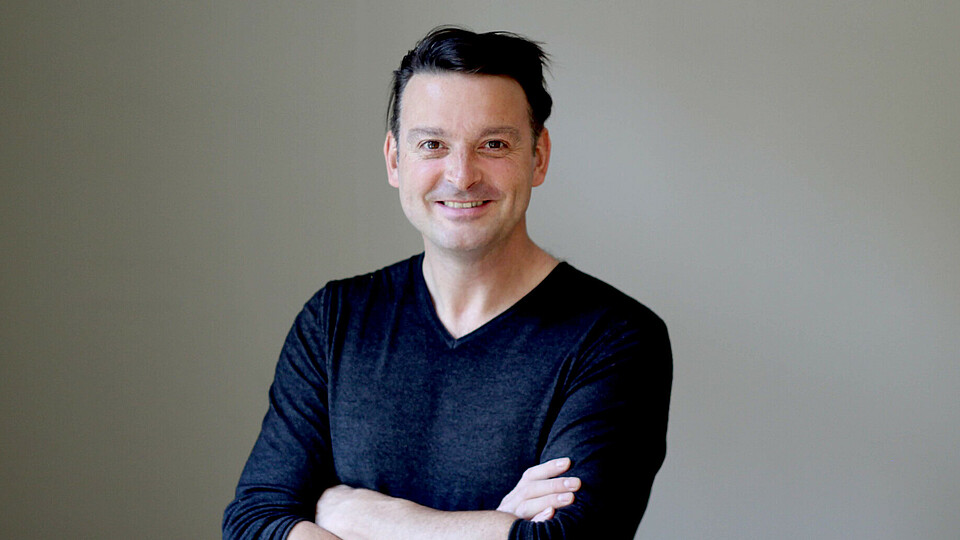 private
Category botschafter Hochschule für Technik und Wirtschaft Berlin (HTW Berlin)Research in Berlin is research into contrasts. There are few cities that are closer to the zeitgeist.→
Prof Dr Kai Reinhardt
-
Category botschafter Labor Berlin - Charité Vivantes
 ©Christopher Hardt
Category botschafter Labor Berlin - Charité VivantesIn Berlin, you can find an excellent mix of small and medium-sized research companies, as well as large firms, scientific institutes, universities and…→
Christopher Hardt
-
Category botschafter Technische Universität Berlin
 [Translate to English:]
Category botschafter Technische Universität BerlinThis is what makes Berlin so unique for me as an entrepreneur: I can call upon scientific expertise for any issue that may arise.→
Prof. Dr. Christine Lang